
 ع
ع


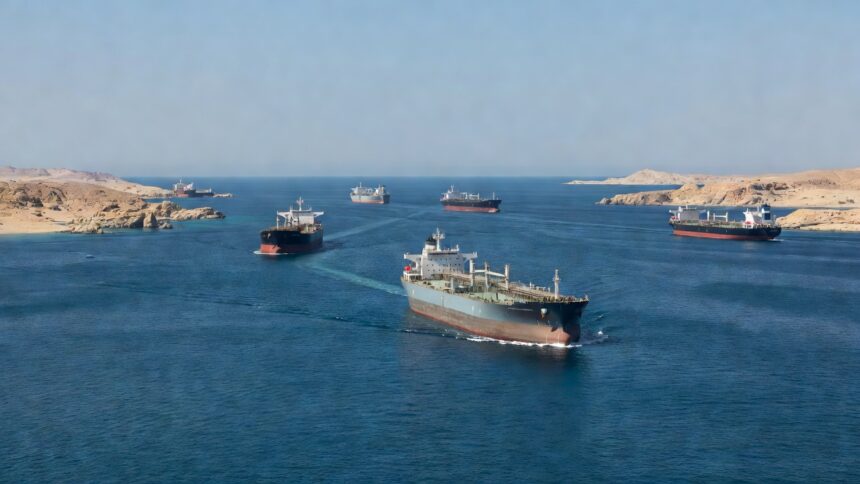
In a statement carried by the Saudi Press Agency, the Ministry of Foreign Affairs strongly condemned Iranian attacks on two tankers belonging to the UAE’s ADNOC that occurred while the vessels transited the Strait of Hormuz on Thursday evening. The ministry described the incidents as an unacceptable repetition of strikes against commercial vessels and tankers that represented a dangerous escalation. It characterised the attacks as a direct threat to the security and safety of maritime navigation along with global energy supplies.
The ministry stated that the strikes constituted a serious violation of international laws and norms together with a blatant challenge to UN Security Council Resolution 2817. That resolution affirmed the need to respect the rights and freedom of navigation for commercial vessels through the Strait of Hormuz while condemning actions or threats that could obstruct maritime traffic according to the Saudi Press Agency report. Saudi Arabia held Iran fully responsible for the consequences of continuing such attacks and called on Tehran to immediately cease the violations.
The statement stressed that regional security and the safety of international navigation constitute a shared responsibility that cannot accept or tolerate continuation of these attacks. It demanded that Iran respect relevant international laws to prevent further incidents in the vital waterway. The ministry’s position was issued one day after the Thursday strikes that ADNOC confirmed had targeted its vessels.
Saudi Arabia reiterated its full solidarity with the United Arab Emirates and affirmed support for measures taken by the UAE to safeguard its sovereignty, security and national assets in the same statement. The UAE foreign ministry separately denounced what it termed a hostile Iranian attack on the two ADNOC-affiliated vessels with no injuries reported according to Emirates News Agency reporting. Qatar, Egypt and Kuwait issued comparable condemnations that cited threats to maritime security and energy flows.
The Arab League and GCC both described the action as a dangerous escalation and flagrant violation of international law along with UN Security Council resolutions in statements released Friday. Jordan and Bahrain expressed absolute solidarity with the UAE while calling for adherence to norms governing navigation in the Gulf. The coordinated regional response underscored collective concern over repeated targeting of commercial shipping in the area.
United States Energy Information Administration assessments place daily oil transit through the Strait of Hormuz at more than 20 million barrels in recent years, accounting for roughly one-fifth of global petroleum consumption. The chokepoint’s strategic importance has drawn repeated international attention to incidents that could disrupt those flows. The latest attacks occurred against a backdrop of heightened tensions that have seen multiple confrontations involving vessels in Gulf waters over the past decade.