ع



The General Directorate of Civil Defense reported that its teams in Makkah responded to an incident in which three children fell into a flood channel amid recent heavy rains. Crews recovered two of the children, one of whom was deceased, according to an official statement the directorate posted on its X account. Operations to locate the third child continued into the evening, with the directorate noting the challenges rescuers faced in the water-filled terrain.
The directorate used the statement to call for divine mercy on the deceased child and patience for the family while emphasizing that the search remained active. Such incidents often unfold rapidly in the holy city’s network of valleys, where water can surge without much warning after upstream rainfall. The Civil Defense has maintained specialized units in Makkah precisely to handle these recurring flood risks during the wet season.
Forecasts from the National Center for Meteorology had pointed to moderate-to-heavy rainfall across Makkah and nearby governorates including Taif and Al-Laith in the days surrounding the event. The Saudi Red Crescent Authority positioned 166 ambulance teams throughout the Makkah region in advance of the rains, Arab News reported a day earlier on October 19, with the majority concentrated in Jeddah, Makkah and Taif. These teams, supported by specialized response vehicles, focused on high-risk zones such as valleys and highways where emergencies tend to cluster.
Makkah Civil Defense had already activated its pre-planned emergency measures for rainfall and flooding earlier in the week, its spokesman Naif Al-Shareef stated in local media updates. Units were stationed in vulnerable locations including Wadi Numan, Wadi Al-Maghmas and several urban neighborhoods where water accumulation was reported. Earlier rain episodes this month had led to stranded vehicles and street flooding but produced no casualties until the latest event involving the children.
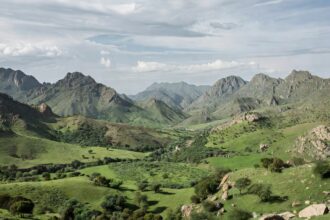
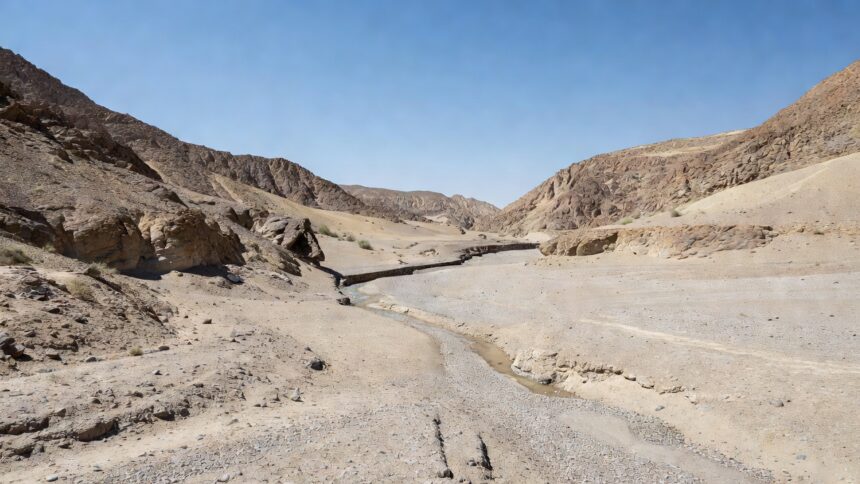
The Civil Defense has documented that flash flooding represents an ongoing hazard across western Saudi Arabia because the steep, arid topography channels rainwater into narrow wadis at high speed. Past operations in the Makkah area have repeatedly shown how quickly conditions can deteriorate, prompting the directorate to issue frequent public warnings against approaching water channels or low-lying ground during storms. Similar tragedies have drawn renewed attention to the need for vigilance among residents and visitors alike.
Coordinated preparedness across agencies has expanded in recent seasons to limit the human cost of these weather events, the Red Crescent Authority noted in its deployment announcement. Real-time monitoring allows teams to shift resources as conditions evolve across the 19 ambulance sectors that serve the broader Makkah region. The latest incident arrives as authorities continue to balance pilgrimage traffic with the demands of seasonal weather management.