ع



Saudi Civil Defence reported that shrapnel from two intercepted ballistic missiles fell across several sites including the Al-Nuzha district of Jeddah, Wadi Jalil in Taif, the Masturah Centre in Rabigh and Wadi Al-Mughammas in Makkah province after the attacks launched on the evening of October 24. The authority stated that response teams immediately deployed to the affected areas and confirmed no casualties resulted from the falling debris. Civil Defence officials added that established alert procedures were followed across the impacted provinces with sirens activated in Taif, Jazan and other locations as interceptions occurred.
The Saudi-led coalition spokesman Major General Turki Al-Malki announced that a drone targeting Riyadh was destroyed over the capital region while a cruise missile directed at Khamis Mushait was also intercepted. Al-Malki detailed that coalition forces tracked and neutralized the threats before they reached their intended targets in the capital and southern areas. The spokesman further noted that examination of wreckage confirmed the origin of the attacks linking them to Houthi militants in Yemen.
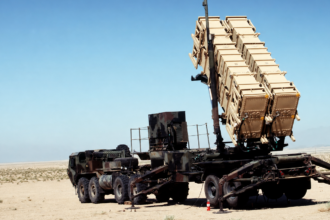
In all Saudi forces brought down 10 ballistic missiles aimed at the southern region during the sustained barrage that extended into the following day according to coalition assessments reported by multiple regional outlets. A drone and additional ballistic missile were separately neutralized over Riyadh as part of the same operation. The scale of the intercepted assault triggered civil defence warnings across five provinces prompting residents to follow safety protocols.
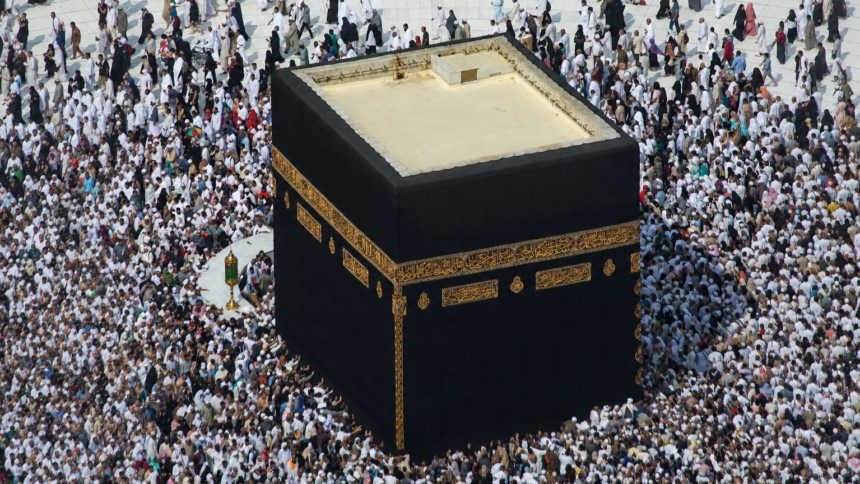
GCC Secretary-General Jasem Mohamed AlBudaiwi stated that the strikes represented a grave violation of the sanctity of the Holy Sites and a provocation to the sentiments of Muslims worldwide. AlBudaiwi issued the condemnation in direct response to the interceptions near Makkah which houses the Kaaba and Masjid al-Haram. The statement underscored the broader regional implications of targeting areas of profound religious significance for more than one billion Muslims.
This incident follows a pattern of similar Houthi attempts including a drone interception south of Makkah in September 2026 that the coalition also attributed to the Yemen-based group. Coalition statements at the time described the security of the Two Holy Mosques as a red line and vowed deterrent measures against any threats to pilgrims or holy sites. Saudi authorities have documented repeated violations involving ballistic missiles and unmanned aerial vehicles since the escalation of tensions in Yemen.
The Houthi military spokesman denied that the group had targeted Makkah or Madinah asserting instead that operations focused on military bases and oil facilities as reported by international wire services including AFP. Saudi officials countered by releasing details of projectile trajectories and debris analysis that they said proved the intended targets included the holy cities and civilian infrastructure. The conflicting accounts have drawn international attention amid ongoing efforts to stabilize the wider regional security situation.