ع



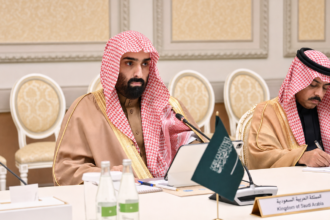
The Saudi Press Agency reported that Prince Faisal bin Farhan met Canadian Foreign Minister Anita Anand on the sidelines of the G20 Foreign Ministers’ Meeting in Atlanta. The ministers reviewed bilateral relations between their countries while addressing recent regional developments in the Middle East. They jointly condemned the Houthi militia’s continued attacks on Saudi territory and called for intensified international coordination to promote security across the region. Such diplomatic engagements have become more frequent as the threats from Yemen-based militants have grown.
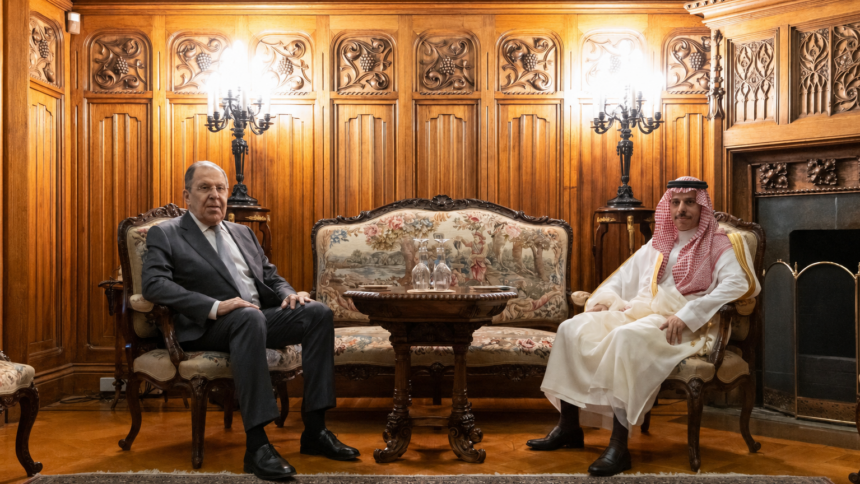
Similar conversations occurred with Russian and European counterparts over recent weeks as the kingdom sought unified responses to the aggression. During talks in Moscow, Russian Foreign Minister Sergey Lavrov joined Prince Faisal bin Farhan in denouncing strikes on civilian sites inside Saudi Arabia, according to Gulf News. Lavrov warned that the actions endangered lives and carried negative consequences for the global economy while both sides explored avenues for de-escalation in Yemen.
The exchanges fit into a wider pattern of international condemnation that has built over the past month. Al Jazeera reported that G7 foreign ministers, including those from Canada and European Union member states, issued a statement on September 22 demanding that the Houthis immediately end all military operations against Saudi Arabia and civilian shipping. The ministers further pressed Iran to stop supplying arms to the group in breach of multiple United Nations Security Council resolutions that have sought to limit such transfers.
Houthi attacks have escalated sharply since early September with repeated assaults on airports and energy infrastructure across the kingdom. Reuters accounts detail strikes on Riyadh’s King Khalid International Airport that killed at least one person and injured more than a dozen others while forcing major carriers to suspend flights. Canadian officials joined several Western governments in issuing travel advisories that cautioned against non-essential visits to Saudi Arabia because of the heightened risks from missile and drone activity.
Saudi air defenses have intercepted the majority of incoming projectiles according to statements from the Saudi-led coalition in Yemen. BBC News chronicled one October incident in which a projectile struck a passenger terminal at the Riyadh airport causing a fire and temporary closure of the facility. The coalition has reported downing multiple ballistic missiles and drones targeting both the capital and oil installations in the Eastern Province over the past six weeks.
European Union officials have focused much of their discussion on the spillover effects on commercial aviation and maritime routes. A Reuters dispatch from October 9 noted that the EU Aviation Safety Agency broadened its advisory against flights in Saudi airspace after the Houthis showed an ability to strike targets well beyond the Yemeni border. The updated guidance cited dangers from misidentification of civilian aircraft during defensive intercepts and the possibility of debris from intercepted munitions.