
 ع
ع


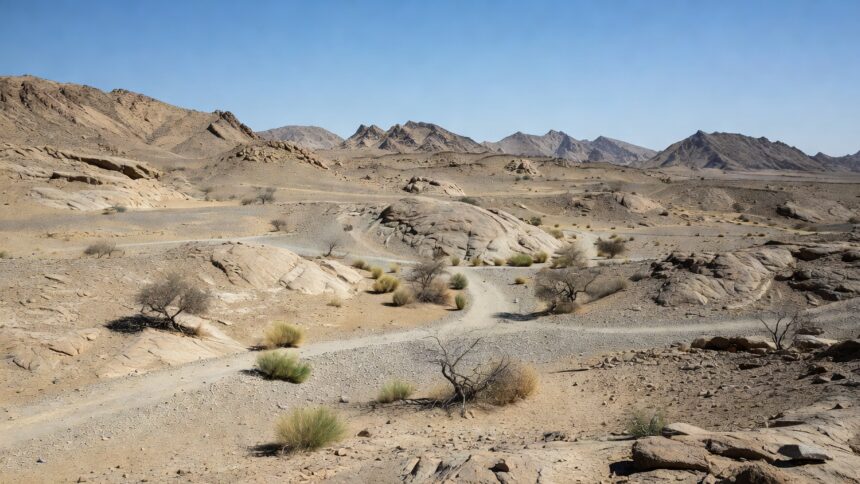
The Saudi Border Guard reported that its land patrol units arrested 11 Ethiopian nationals in the Al-Dayer sector of the Jazan region on August 3. Patrol units foiled an attempt to smuggle 220 kilograms of khat into the Kingdom during a border security operation. The suspects were apprehended while violating border protocols in the southern area. The individuals and the seized material were transferred to relevant authorities after initial legal steps concluded.
According to the Border Guard, public assistance remains essential to combating drug smuggling and related border violations. Residents in Makkah, Madinah, Riyadh and the Eastern Province can contact authorities on 911 while those elsewhere should dial 999. The narcotics control department accepts reports through its 995 hotline or designated email address. This community involvement has supported multiple successful operations in border regions over time.
A 2014 assessment by the United Nations Office on Drugs and Crime documented widespread khat use among youths in the Jazan region despite its status under national control. The UNODC report identified the substance as originating mainly from Ethiopia, Kenya, Somalia and Djibouti with established trafficking pathways into the Arabian Peninsula. Comparable consumption trends were recorded in Yemen where cultural acceptance of the stimulant remains strong. Such patterns have made regional law enforcement coordination a priority for disrupting supply lines.
Local security reports have detailed comparable smuggling cases involving Ethiopian nationals in Jazan over recent years. One operation led to the arrest of three individuals with 44 kilograms of khat in the Al-Ardah governorate. Authorities also detained two Ethiopians for 40 kilograms of the substance in a separate provincial incident. These examples point to recurring efforts to move the narcotic across southern entry points.
The General Directorate of Narcotics Control collaborates with border agencies to process such cases under the Kingdom’s strict anti-drug framework. Saudi law classifies khat as a prohibited narcotic subject to severe penalties including imprisonment. Official enforcement data indicate that southern sectors see consistent interdictions tied to attempts from neighboring areas.