
 ع
ع


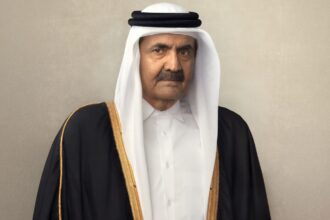
Prince Faisal bin Farhan delivered the assessment in a video shared by state broadcaster Al Ekhbariya, framing the current moment as another critical turning point for the region. Recent developments have demonstrated how quickly tension can spread beyond the regional context and affect global security, energy markets, and economic growth, he said. The foreign minister argued that the recent escalation showed military force does not produce lasting peace and called instead for sustainable diplomatic solutions that provide real security and lasting peace.
The objective should not simply be the containment of tension but the resolution of the underlying issues that generate tension and instability, according to the minister. Achieving long-term stability will require confidence-building, responsible statecraft, and a shared commitment to a more predictable and stable regional order. Prince Faisal bin Farhan outlined core principles that should underpin any regional security framework, beginning with respect for sovereignty and non-interference in internal affairs.
Good neighborliness, non-aggression, freedom of navigation, adherence to international law, and refraining from providing support to non-state actors complete the list of guiding rules the minister presented. Saudi Arabia has pursued this diplomatic line consistently in recent years, including through the China-mediated restoration of ties with Iran in March 2023 that Al Jazeera documented as a milestone in reducing Gulf tensions. The foreign minister has participated in multiple rounds of talks with counterparts from the United States, Egypt, Turkey and Pakistan in the first half of 2026 alone, meetings that Arab News and other regional outlets reported focused on de-escalation in Gaza, Lebanon and the broader Middle East.
Those engagements built on earlier discussions in Beijing and Cairo where Prince Faisal bin Farhan emphasized the need to rebuild trust before advancing economic cooperation, a position he reiterated in June interviews covered by Saudi Gazette. The current statement arrives as the kingdom continues to support mediation efforts aimed at ending conflicts that have displaced millions and disrupted global shipping routes through the Red Sea. International Monetary Fund assessments have linked such regional instability to measurable drags on growth across oil-importing economies in the wider area.
Prince Faisal bin Farhan has paired diplomatic advocacy with parallel efforts to strengthen Saudi defense capabilities, telling interlocutors earlier this year that effective diplomacy requires both dialogue and deterrence. The video message reinforces Riyadh’s long-standing position that collective adherence to the United Nations Charter offers the best foundation for a more secure region. Observers note that the kingdom’s approach has included hosting cease-fire discussions and humanitarian initiatives that involved coordination with the United Nations and Arab League partners.
Further diplomatic activity is expected in the coming months as Saudi officials engage with international partners on Yemen, Sudan and other flashpoints, according to patterns established in ministry briefings throughout 2025 and 2026. The foreign minister’s remarks serve as a public restatement of priorities that have guided Saudi foreign policy across multiple administrations.