 ع


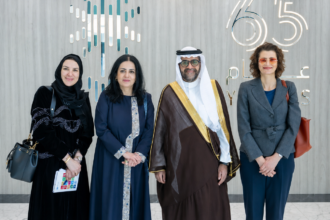
Al-Sayari made the assessment while participating in a panel on the strategic outlook for the global economy at the Istanbul Economic Forum in Türkiye. He noted that the global economy had shown considerable resilience despite successive geopolitical shocks. However the governor cautioned that continued regional conflict was complicating the outlook for growth and inflation with risks of intensified inflationary pressures and supply chain disruptions if the situation persists.
According to Al-Sayari Saudi Arabia has maintained considerable economic resilience despite its proximity to the tensions. This performance draws support from strong foreign reserves and assets alongside long-term infrastructure investments and the economic diversification program advanced through Vision 2030. An International Monetary Fund staff report completed in June 2026 similarly concluded that the Saudi economy has proven resilient in the face of the war in the Middle East thanks to strong fundamentals and diversified oil and logistics infrastructure.
The governor highlighted investments in energy infrastructure particularly the East-West Pipeline which has allowed Saudi Arabia to continue meeting customer demand amid disruptions affecting the Strait of Hormuz and the Red Sea. The IMF assessment found that rerouting oil through the pipeline to Red Sea ports limited the drop in deliveries while higher oil prices more than offset volume losses and generated a revenue windfall. Markets have continued to respond positively to Saudi Arabia’s fundamentals the governor added.
SAMA figures presented by Al-Sayari placed the banking sector’s liquidity coverage ratio at 170 percent its capital adequacy ratio at 20.9 percent and its net stable funding ratio at 114.6 percent as of June 2026. He said Saudi banks continued to benefit from the Kingdom’s A-plus sovereign credit rating which supported their access to international financing markets despite rising risk premiums. The IMF has commended SAMA for stepping up monitoring of liquidity credit conditions and asset quality while proceeding with a 100 basis point countercyclical capital buffer.
The Saudi economy recorded negative growth for two consecutive quarters in 2026 largely reflecting weakness in the oil sector Al-Sayari reported. However non-oil economic activity continued to expand growing by approximately 2 percent in the first quarter and 1 percent in the second quarter. He attributed the resilience of domestic demand partly to population growth record-low unemployment among Saudi nationals and progress achieved through the Kingdom’s economic diversification program with inflation remaining moderate at 1.8 percent as of mid-August 2026 supported by government fuel price caps and the riyal’s peg to the US dollar.
The Ministry of Finance welcomed the IMF’s 2026 Article IV conclusions that the Saudi economy entered the year with strong momentum after expanding by 4.6 percent in 2025 driven by the unwinding of OPEC-plus production cuts and robust domestic demand. According to the Fund SAMA’s net foreign assets stood at 437 billion dollars by the end of 2025 while public debt was assessed as sustainable with overall sovereign risks remaining low. The banking sector is well positioned with non-performing loans at their lowest level in a decade the report added.