ع



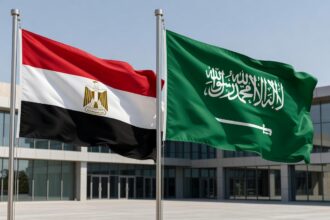
Egyptian President Abdel Fattah el-Sisi stated that Cairo would take any measures necessary to defend Saudi Arabia if asked by King Salman or Crown Prince Mohammed bin Salman, framing the potential assistance as strictly defensive during a speech at the Egyptian Military Academy graduation ceremony. He emphasized that Egypt could not accept any harm to Saudi security or stability, a position that builds directly on recent bilateral discussions over regional threats. Sisi made clear that such action would align with directives from Saudi leadership and would not involve initiating attacks on any party, according to reports of the address. The remarks reflect deepening security ties between the two nations as tensions in the Red Sea have mounted over the past month.
Sisi told the assembled cadets and officials that it was inconceivable for Egypt to allow Saudi Arabia, its security or its stability to be harmed, a declaration that came as parliament prepared to respond to his request. “I know this requires the approval of the Egyptian parliament, and I ask that an emergency session be held so that it can give us that authorisation if we are asked,” he said in the speech. The president added that Egypt would carry out any measure to protect the kingdom in line with guidance from its leaders while stressing the move was about defense alone. His comments prompted parliament to announce it would convene at 1 p.m. local time on Sunday, though the full agenda was not immediately detailed.
Saudi authorities reported that Houthi attacks on multiple airports including facilities in Riyadh, Abha and Jazan between October 6 and 12 killed at least 20 people and injured more than 370 others, marking the deadliest such strikes in the kingdom in over a decade. The assaults, which included ballistic missiles and drones, forced suspensions of operations at key airports and disrupted civilian flights as well as pilgrim travel. A timeline compiled by regional monitors showed repeated targeting of civilian infrastructure, with the Houthis claiming the actions as retaliation for Saudi-led operations in Yemen. These incidents have reignited broader conflict dynamics that first escalated after a truce collapsed earlier in the year.
Egypt and Saudi Arabia have maintained close strategic coordination since 2013, when Gulf states including Saudi Arabia, the United Arab Emirates and Kuwait provided critical economic and political support that helped stabilize Egypt following political upheaval. Sisi referenced that assistance during his address, expressing gratitude for the role it played in restoring state capabilities. The two countries affirmed during Crown Prince Mohammed bin Salman’s visit to Cairo on September 15 that Saudi security forms an integral part of Egyptian national security, particularly concerning Red Sea navigation and maritime routes. This interdependence has only grown more pronounced as threats to shared waterways have intensified.
In earlier comments this month, Egypt’s foreign minister indicated that Cairo was prepared to offer all forms of assistance to Saudi Arabia, including military support, without reservations if requested by Riyadh. Sisi echoed that stance on Saturday while calling for de-escalation and an end to the regional fighting that has spilled across borders. He noted that Egypt is actively working to preserve shipping lanes and reduce tensions so the area can return to stability. The president’s appeal for parliamentary backing ensures any future steps would follow constitutional requirements.
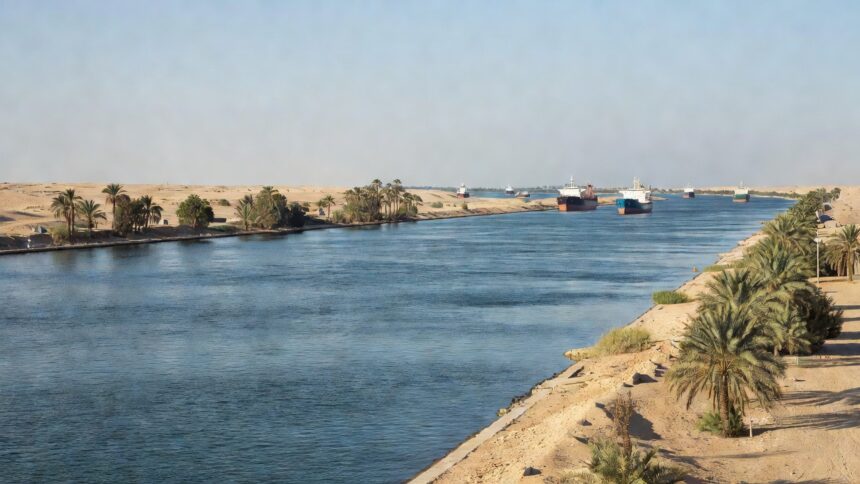
Parliament’s swift scheduling of the emergency session underscores the seriousness with which Egyptian institutions are treating the request, coming less than 24 hours after the speech. The gathering is expected to focus on the authorization for potential defensive measures tied to the Saudi request. Analysts following Gulf security have pointed to the alignment between Cairo and Riyadh on Red Sea stability as a key factor, given Egypt’s stake in Suez Canal revenues linked to safe passage through Bab el-Mandeb. Sisi’s address reinforces a pattern of coordinated positions between the two states on threats from Yemen.