ع



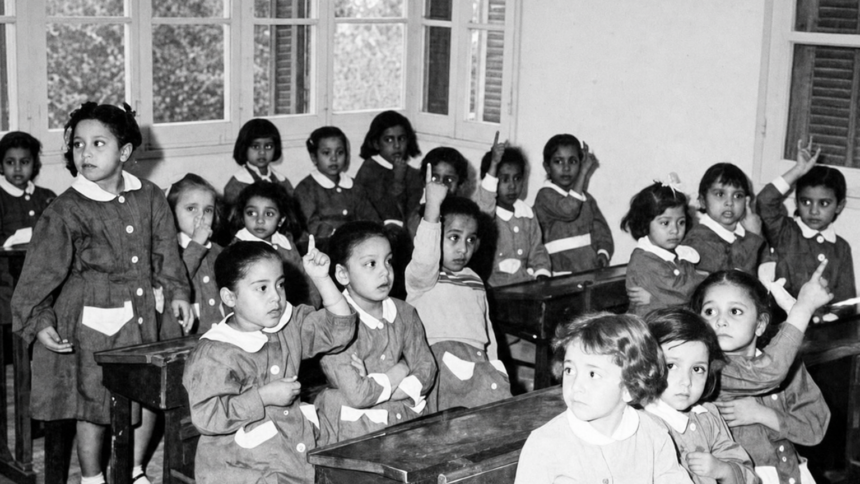
The General Authority for Statistics released its Early Childhood Development and Child Well-being Statistics for 2026 on October 27, showing that 85.3 percent of children between 24 and 59 months are progressing on track across key domains. GASTAT figures show the rate stood at 86.2 percent for girls compared with 84.4 percent for boys. The authority’s assessment found these outcomes reflect continued advances in family care, health services and early learning opportunities nationwide.
GASTAT data places 89.6 percent of children aged 36 to 59 months in a positive and stimulating home learning environment, with the rate reaching 91.0 percent among girls and 88.3 percent among boys. The authority reported that 17.6 percent of children in the same age group are enrolled in organised early childhood education programmes, where girls recorded 18.6 percent participation against 16.7 percent for boys. These home and programme indicators form part of the broader dataset drawn from the Women and Child Health Survey together with Ministry of Education administrative records.
Participation in organised learning one year before the official primary school entry age reached 74.8 percent according to the GASTAT report, with girls at 77.1 percent and boys at 72.6 percent. The authority noted that 72.9 percent of children under five play with two or more types of toys, underscoring the role of interactive play in early development. Separate GASTAT statistics indicate 32.3 percent of these children have one or two children’s books at home while 11.7 percent have three or more.
The 2026 results mark an improvement on the 82.4 percent on-track figure that GASTAT published for the preceding year. The authority compiles the indicators to support national policies aimed at enhancing quality of life for children in their earliest years. Data collection combined household survey responses with official education enrolment records for the 2025-2026 academic year.
GASTAT has published comparable early childhood statistics annually, allowing tracking of trends in developmental progress and home environments over time. The latest report highlights steady gains in most measured areas while identifying opportunities to expand access to books and structured learning activities. Officials at the authority emphasised that such metrics help inform targeted interventions across health, education and family support sectors.