ع



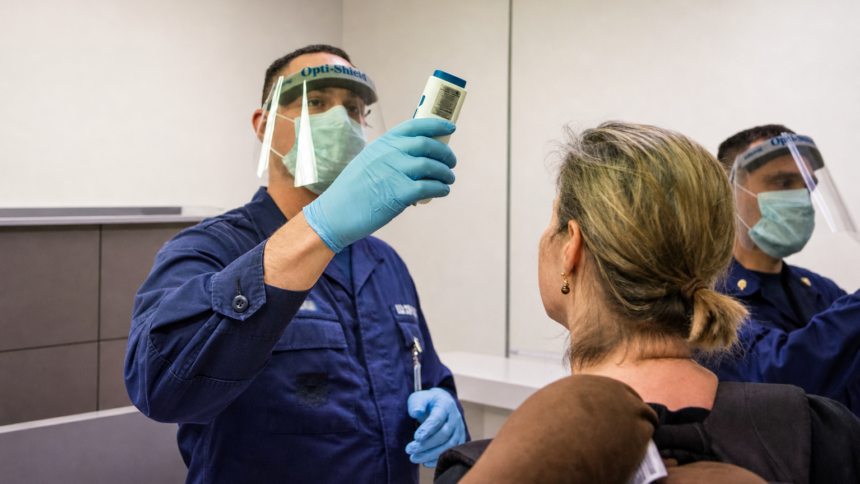
The Saudi Press Agency reported that the Kingdom of Saudi Arabia has enacted additional precautionary measures to limit epidemiological risks tied to the Ebola outbreak based on an assessment from competent health authorities. The rules suspend travel by Saudi citizens to Kenya, stop issuance of every category of visa for people coming from there and prohibit entry for travelers arriving directly from Kenya or via third countries after spending time in Kenya or affected states during the previous 21 days. These actions extend the preventive framework the Kingdom has maintained since July 2019 and reinforced in May 2026 to address threats from countries experiencing Ebola transmission.
In June 2026 Saudi Arabia applied comparable restrictions to the Democratic Republic of the Congo, Uganda and South Sudan while stepping up health screening, surveillance and rapid-response protocols for arrivals from neighboring Rwanda, Burundi, Tanzania and the Republic of the Congo. The Public Health Authority known as Weqaya has stated that the Kingdom’s health situation remains stable under continuous monitoring with no recorded confirmed or suspected Ebola cases since the measures began. Officials have pledged to track regional and international developments in coordination with domestic and global partners to adjust responses as needed.
Weqaya has emphasized that the steps form part of a forward-looking system designed to protect citizens, residents and visitors while supporting worldwide health security through proactive risk evaluation. The authority noted that its monitoring infrastructure operates without interruption and in close alignment with international standards. No Ebola infections have been detected within Saudi borders throughout the current outbreak cycle according to official tallies.
Kenya’s Ministry of Health and the World Health Organization reported the country’s first imported case of Bundibugyo virus disease in early October 2026 involving a traveler who arrived from the Democratic Republic of the Congo via Uganda. By late October Kenyan authorities had logged nine cases within a single cluster that produced two deaths while tracing more than 97 percent of 135 identified contacts and placing them under quarantine with no sign of wider community spread. Contact surveillance is scheduled to conclude by mid-November and health officials continue to insist the overall risk to the public stays low.
The Democratic Republic of the Congo declared its 17th Ebola outbreak in May 2026 and had surpassed 1,100 confirmed cases with hundreds of fatalities by June according to World Health Organization figures that also documented subsequent cross-border transmission. Saudi Arabia’s layered entry controls reflect a consistent policy of safeguarding public health at all points of arrival that dates back several years. Ebola transmits through direct contact with blood or bodily fluids of infected people or those who have died from the disease rather than by airborne routes the World Health Organization has stated.
The Public Health Authority has reiterated that the Kingdom will sustain its vigilance and implement further calibrated actions in response to evolving epidemiological patterns both inside the region and beyond. Coordination with Kenyan and international health bodies has informed the latest decision on Kenya-specific restrictions. These developments come as affected African states maintain active containment programs that include traveler screening at multiple ports of entry and laboratory testing of hundreds of thousands of samples.