ع



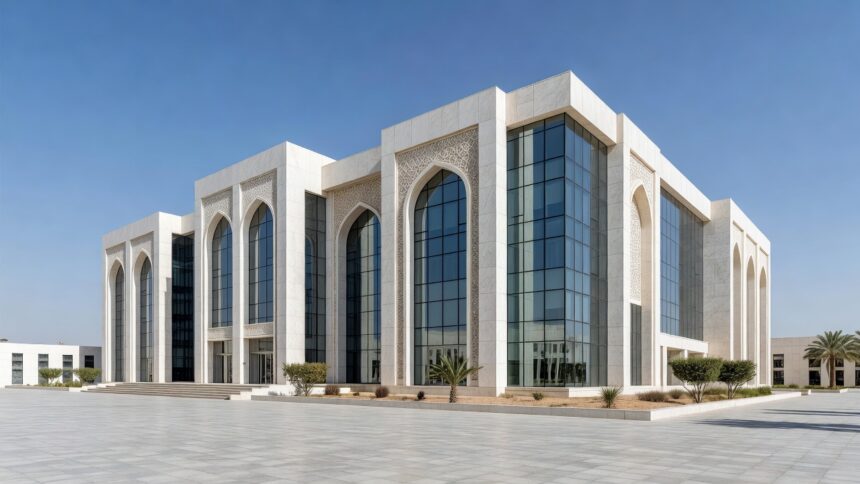
Saudi Minister of Justice Dr. Walid bin Mohammed Al-Samaani met with Supreme Court President Sheikh Dr. Khalid bin Abdullah Al-Luhaidan and court members on November 4, according to an announcement from the Ministry of Justice. Al-Samaani underscored the Supreme Court’s pivotal position in maintaining the stability of judicial principles and rulings while monitoring the proper application of Shariah and relevant laws. The minister’s comments emphasized how this role contributes to elevating the overall quality and integrity of judicial processes across the kingdom.
The Ministry of Justice statement noted that advancements in the justice sector stem from the unlimited support of Custodian of the Two Holy Mosques King Salman and the ongoing follow-up by Crown Prince and Prime Minister Mohammed bin Salman. Al-Samaani commended the Supreme Court president and members for their contributions to improved judicial performance. He expressed appreciation for their focus on professional training, workshop participation and submission of proposals aimed at further development.
Al-Samaani described the Supreme Court, functioning as a court of law, as playing a central part in preserving the consistency of judicial principles and decisions, the Ministry of Justice announcement said. He stressed the need for full adherence to established principles while working to raise the standard of judgments and the quality of their legal reasoning. These remarks align with broader judicial reforms that have introduced structured mechanisms to reduce discrepancies in rulings.
The Supreme Judicial Council approved regulations governing technical offices in October, a step the council said would organize case preparation, technical reviews and responsibilities at all litigation levels to boost judgment quality. Al-Samaani called for effective implementation of these rules governing technical office work, including strengthened preparation and review of judicial studies and draft rulings. The minister highlighted the importance of consistent application of such standards to reinforce institutional maturity in the judiciary.
Expansion of approved artificial intelligence tools to assist judicial studies and judgments formed another key element of Al-Samaani’s message, according to the Ministry of Justice. The minister urged wider adoption of these technologies to improve efficiency and accuracy in court operations. Such measures build on prior council decisions that integrate performance indicators and data analysis to identify areas for ongoing improvement.
The Supreme Court holds authority to issue binding judicial principles that lower courts must follow, with Article 40 of the Law of Civil Procedure establishing that deviation from these principles constitutes a legal violation, a framework outlined in analyses by Saudi legal specialists. Al-Samaani’s meeting comes amid continued efforts to modernize the judiciary under Saudi Vision 2030, which has included creation of specialized courts and digitization initiatives led by the Ministry of Justice. These reforms have focused on enhancing transparency, speed and uniformity in legal proceedings throughout the kingdom.