ع




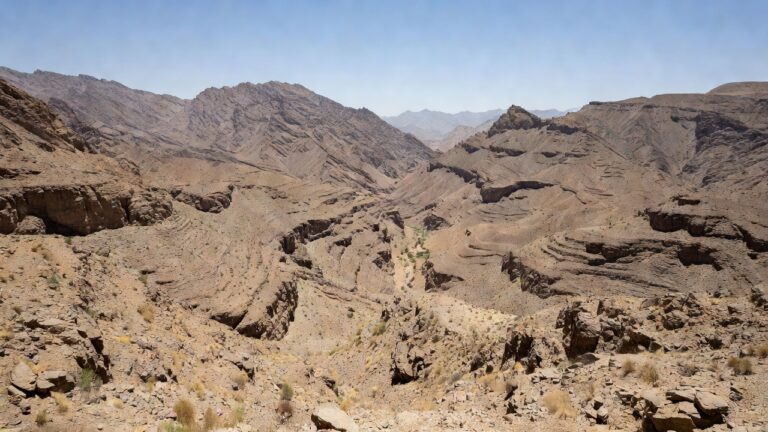
The National Center for Meteorology placed the highest 24-hour rainfall total at 48 mm in a station within the Asir region, where orographic lift from the Sarawat Mountains frequently amplifies precipitation during such weather patterns. Rains also reached stations in three other regions, though specific secondary amounts remained below the Asir peak according to the center’s monitoring network of hydrological and climatological stations. The center’s daily rainfall summary covered activity over the preceding 24 hours, aligning with an active weather front that had been forecast earlier in the month.
According to the National Center for Meteorology’s November rainfall outlook released at the start of the month, above-average precipitation was anticipated for Asir along with Northern Borders, Qassim, Riyadh, Eastern Province, Makkah, Tabuk, Al-Jawf, Hail, Al-Baha and Najran. This latest event appears to fulfill part of that projection, with the southern highlands receiving significant accumulations that could benefit local agriculture and water reserves. The center continues to monitor developments as the rainy season progresses through the winter months.
The National Center for Meteorology had issued an alert for heavy rain in Asir starting November 12, warning of associated hazards including strong winds, reduced visibility, hail, torrential downpours, high waves and thunder strikes in governorates such as Al Birk and Al Qahma. Such warnings underscore the dual nature of the rainfall, providing much-needed water while posing risks of flash flooding in vulnerable areas. Residents in affected zones are advised to heed official guidance during these periods.
Further details from the National Center for Meteorology indicated that multiple stations across the four regions logged measurable rain, though Asir’s elevated terrain contributed to the standout totals. Historical data from the center shows that Asir consistently ranks among the wettest regions in the kingdom, with annual averages far exceeding those in the central and northern deserts. This variability highlights the importance of localized forecasting in a country spanning diverse climatic zones.
In related weather activity earlier this year, the National Center for Meteorology documented comparable events where Asir again led with figures exceeding 50 mm in March, demonstrating a pattern of concentrated rainfall in the southwest during transitional seasons. The current November activity comes as part of broader expectations for increased winter precipitation linked to regional climate dynamics. The center’s network, which includes dozens of automated stations, provides real-time data to support both public safety and sectoral planning.