
 ع
ع


The Saudi Press Agency reported that Madinah has prepared an extensive schedule of more than 50 events set to take place throughout March 2026, ranging from heritage festivals and art exhibitions to educational workshops and religious lectures. The calendar forms part of broader initiatives aligned with the Kingdom’s Vision 2030 framework to develop the tourism sector and highlight historical sites beyond the pilgrimage seasons. Saudi Tourism Authority data from 2025 places annual international arrivals to the Kingdom at more than 100 million, with Madinah ranking as a key destination that draws millions of Umrah performers and visitors each year. The authority’s assessment found that cultural programming has contributed to lengthening visitor stays in secondary cities by an average of two nights since 2022.
According to the Saudi Press Agency, the March lineup includes partnerships with local cultural organizations to stage traditional performances and interactive displays centered on Islamic history and Madinah’s role in early Islamic civilization. Organizers have timed several family-oriented activities to coincide with school holidays in order to encourage domestic travel from other Saudi regions. The Ministry of Tourism earlier projected that cultural events across the Kingdom would generate more than 20 billion riyals in direct economic impact during 2026, citing comparable programming in previous years that lifted occupancy rates in Madinah hotels above 85 percent. Preparations for the calendar involved coordination with multiple government entities responsible for heritage preservation and public events.
Madinah’s events strategy builds on the city’s status as one of the two holiest sites in Islam, which the Ministry of Hajj and Umrah said welcomed over 14 million Umrah pilgrims in 2025 alone. The new calendar seeks to diversify the visitor base by offering programs that appeal to history enthusiasts, students and families in addition to religious tourists. A 2025 report from the World Travel and Tourism Council placed Saudi Arabia among the fastest-growing tourism markets globally, with the sector’s contribution to GDP rising to 9.8 percent the previous year. Event organizers have emphasized safety protocols and crowd management drawn from lessons of prior large-scale gatherings.
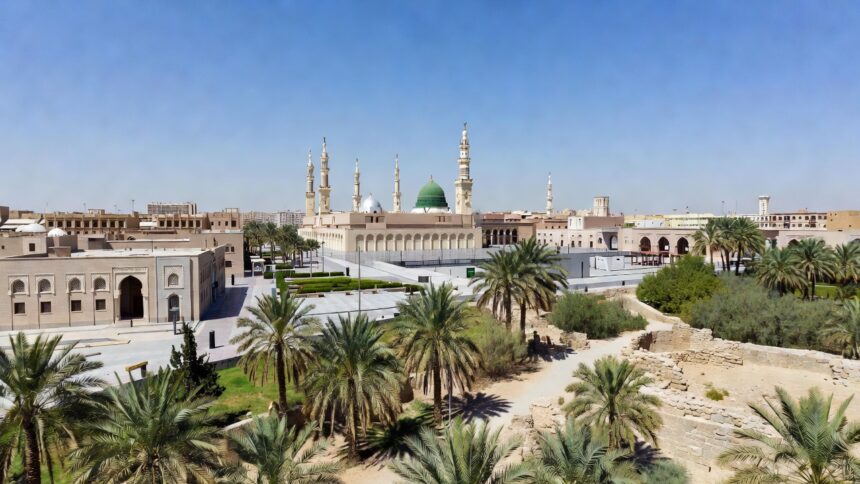
The Saudi Press Agency noted that the calendar launch included details on venues across the Madinah region, with several activities planned for the Al-Masjid an-Nabawi vicinity and surrounding heritage districts. Registration for select workshops opened immediately through a dedicated digital platform managed by the local development commission. Central Statistical Bureau figures show that cultural tourism spending in Saudi Arabia increased by 27 percent between 2023 and 2025, providing a baseline for expected returns from the March program. Local businesses have been invited to participate through vendor permits and sponsorship opportunities outlined in the announcement.
Further components of the calendar focus on sustainability and community engagement, according to the Saudi Press Agency summary of the launch. Planners incorporated green initiatives such as waste-reduction measures at outdoor festivals and educational sessions on environmental preservation tied to the city’s oasis heritage. The Ministry of Environment, Water and Agriculture reported that similar themed events in previous years helped raise awareness and resulted in measurable reductions in single-use plastics at public gatherings. International participants from neighboring GCC countries are expected to form a significant share of attendees based on travel patterns documented in prior seasons.
In tandem with the events rollout, Madinah authorities have expanded infrastructure upgrades around key sites, the Saudi Press Agency stated. These improvements include enhanced transportation links and digital information services that authorities said would improve the overall visitor experience during the busy month. PwC Middle East analysis of GCC tourism trends projected continued double-digit growth in religious and cultural travel through the end of the decade, provided that programming remains aligned with traveler preferences for authentic and well-organized experiences. The calendar is set to be updated periodically to reflect any adjustments based on demand and logistical considerations.