
 ع
ع


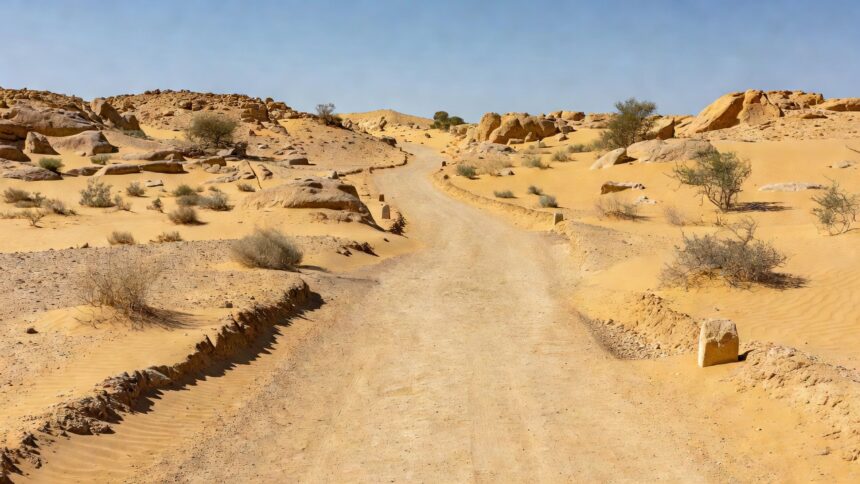
The Madinah Region Development Authority announced the launch of the Badr Historical Path in coordination with the Pilgrim Experience Program and the Ministry of Tourism, according to a statement carried by the Saudi Press Agency. The initiative seeks to revive interest in Prophetic history by developing the historic Al-Furqan trail that connects Madinah to Badr. Officials described the project as a means to highlight key events from early Islamic history while supporting cultural tourism in the region. The authority has positioned the path as part of broader efforts to enhance visitor experiences at religious and historical sites across the Madinah area.
The 157-kilometer route features interpretive installations at more than 40 landmarks tied to the Prophet’s journey, the Saudi Press Agency reported. Travelers can follow the trail that played a central role in the events leading to the Battle of Badr, which took place in 624. Development work has included infrastructure improvements to ensure safe access while preserving the trail’s historical integrity. The authority indicated that the project incorporates educational elements to provide context at each stop along the extended pathway.
Partnerships with the Pilgrim Experience Program have helped integrate the Badr Historical Path into existing tourism frameworks, a Saudi Press Agency dispatch noted. The Ministry of Tourism has supported initiatives that align with national goals to expand heritage-based travel opportunities. Such collaboration reflects ongoing work to diversify visitor activities beyond the main holy sites in Madinah and Makkah. The program has contributed expertise in visitor management and site interpretation for the new historical route.
Historical records identify the Battle of Badr as a defining early victory that strengthened the Muslim community in Madinah, according to established Islamic historiography. The trail retraces movements that proved decisive in that confrontation between small Muslim forces and a larger opposing army. By developing the path, the authority aims to make these events more accessible to both pilgrims and international visitors interested in Islamic heritage. Documentation of the route draws on traditional accounts that have guided previous rehabilitation projects in the area.
The Madinah Region Development Authority has pursued several similar projects in recent years to connect modern infrastructure with the region’s rich historical legacy, the Saudi Press Agency indicated. Earlier rehabilitation efforts have focused on sites linked to the Prophet’s biography extending toward Badr. These developments form part of a wider strategy to elevate Madinah’s role as a center for cultural and religious tourism. Additional phases may expand facilities along the trail as visitor numbers increase.
Regional tourism data shows rising interest in heritage routes across Saudi Arabia as part of the Vision 2030 framework, according to government planning documents. The Badr Historical Path contributes to this trend by offering structured access to locations that previously lacked comprehensive interpretive support. Authorities anticipate the project will attract both domestic and international audiences seeking deeper engagement with Islamic history. Ongoing monitoring will assess how the initiative affects local economic activity tied to heritage preservation and guided tours.