
 ع
ع


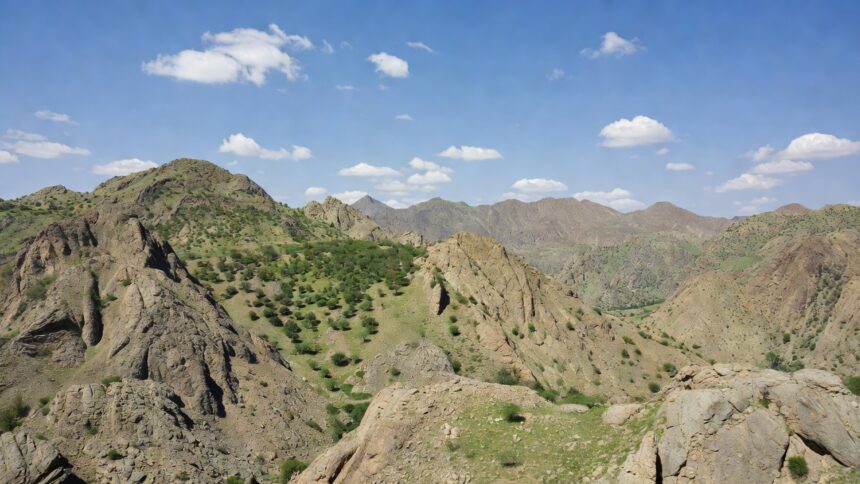
The National Center for Meteorology announced a forecast for thunderstorms accompanied by hail and gusty, dust-stirring winds across most regions of Saudi Arabia on July 28, 2026. Favorable conditions for thunderstorms were identified over parts of Jazan, Asir, Al-Baha and Makkah. The NCM further indicated that gusty winds raising dust and sand would affect those areas in addition to the Eastern Province, Riyadh, the Northern Borders, Al-Jouf, Tabuk and Madinah.
According to the NCM marine forecast, northwest to north winds of 15-45 km/h are expected over the northern and central Red Sea with northwest to west winds of 10-50 km/h in the south. Wave heights in the Red Sea are projected at 0.5-2 meters with sea conditions ranging from calm to choppy. In the Arabian Gulf, the NCM predicted northwest to north winds of 15-40 km/h in the north and central parts and northwest to northeast winds of 10-25 km/h in the south, with waves at 0.5-1.5 meters leaving seas relatively calm.
A study by MH Shwehdi published in the Journal of Geophysics and Engineering in 2005 found that Saudi Arabia generally experiences five to 12 thunder days per year while southern areas average 25 thunder days annually. The research highlighted that summer weather in the kingdom features cloudless skies for most regions but allows for thunderstorms in the southwest. Inland central and eastern thunderstorms can also occur during the summer months from June to August, the study noted.
Climate to Travel data shows that the mountainous southern regions of Asir, Jizan and Al-Baha see summer rains and thunderstorms due to their altitude, which moderates temperatures there. According to the climate compilation, precipitation in some of these areas exceeds 250 millimeters per year, classifying the local climate as semi-arid rather than fully desert. This pattern aligns with the current NCM focus on the highlands for convective weather activity.
Gulf News reported in August 2025 that thunderstorms, hail and associated flooding had impacted Saudi Arabia’s mountains, bringing cooler temperatures ranging from 18 to 25 degrees Celsius in affected zones. Similar patterns have persisted into 2026 with multiple alerts issued by the NCM in recent months for the same southwestern provinces. The National Center for Meteorology continues to provide these outlooks as the primary authority on weather developments in the kingdom.