ع



Energy ministers from Saudi Arabia and Singapore revealed their joint intent to establish an arrangement for Saudi crude oil storage at the Jurong Rock Caverns during the Singapore International Energy Week conference, according to a statement from Singapore’s Ministry of Energy, Trade and Industry and the Kingdom of Saudi Arabia’s Ministry of Energy. Singapore Minister for Energy, Trade and Industry Tan See Leng told the conference that the storage would commence in the second half of 2027. The initiative is designed to improve the resilience of Saudi crude supplies to Southeast Asia while contributing to Singapore’s energy security in case of disruptions.
Saudi Aramco will sign a memorandum of understanding with Singapore’s Energy Market Authority and JTC Corporation on October 26, 2026, the ministers reported, with negotiations expected to conclude within a few months. This agreement represents an initial step toward operational storage at the facility on Jurong Island. Saudi Energy Minister Prince Abdulaziz bin Salman Al-Saud addressed the conference via video recording to outline the strategic value of positioning supplies closer to Asian markets.
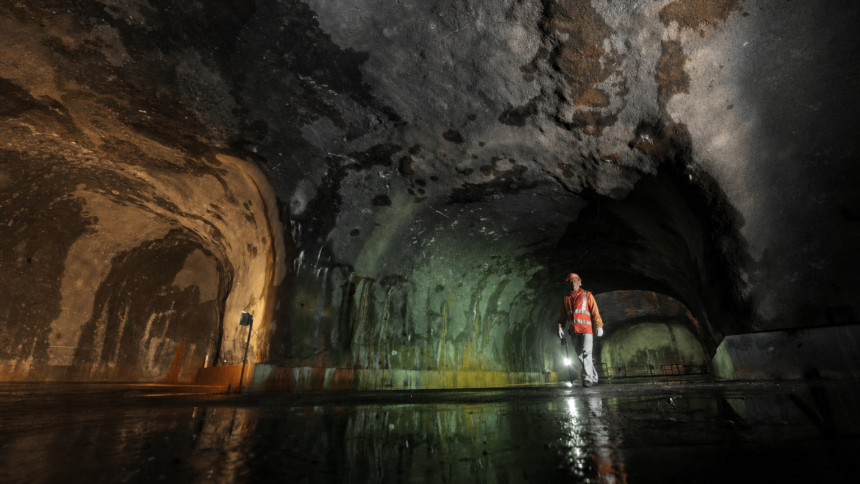
JTC Corporation data places the capacity of the Jurong Rock Caverns at up to 1.47 million cubic metres of liquid hydrocarbons, including crude oil and condensate, at a depth of 150 metres underground. The facility forms part of Singapore’s petrochemicals and refining complex in the southern part of the city-state. Storage operations under the new arrangement are scheduled to begin in the second half of 2027.
A Reuters report placed the announcement against the backdrop of severe disruptions to Middle East oil shipments through the Strait of Hormuz stemming from the US-Israeli war with Iran. Asia imported two-thirds of its crude from the Middle East prior to the conflict, according to the same assessment. The planned storage aims to mitigate risks from future supply interruptions in the region.
Saudi Arabia already maintains crude storage in Japan and South Korea, where local governments hold priority purchase rights during shortages, Reuters figures show. The addition of Singapore would expand this overseas network and bring supplies nearer to key Southeast Asian customers. Prince Abdulaziz bin Salman noted the advantages for supply flexibility in his conference remarks.
“Bringing supply closer to key Asian markets would strengthen the flexibility of our supply network and support Singapore’s security of supply and preparedness,” Prince Abdulaziz bin Salman said in the video recording. Tan See Leng added that the arrangement would enhance the resilience of the Saudi crude oil supply chain in Southeast Asia while supporting Singapore in the event of disruptions. The two energy ministries will coordinate implementation with relevant entities going forward.
The joint statement from the ministries described the project as a new milestone in energy cooperation between the two countries that recognises Singapore’s role as a regional energy hub. It further noted that the stored crude would support Singapore’s energy needs during supply disruptions. Officials from both sides indicated they would advance the arrangement through close collaboration.