
 ع
ع


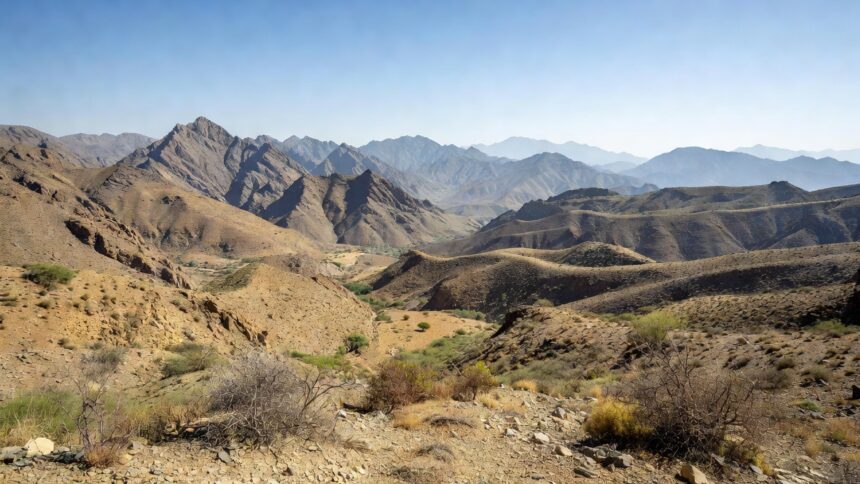
The General Directorate of Border Guard announced the arrest of 13 violators of the Border Security Law during three separate operations in the Asir and Jazan regions on Sunday. Patrols in Asir’s Al-Raboua sector detained four Ethiopian nationals attempting to smuggle 80 kilograms of khat. In Jazan’s Al-Da’ir sector, nine violators of Yemeni and Ethiopian nationalities were arrested with 200 kilograms of the same substance. The directorate stated that initial legal procedures have been completed and all suspects as well as the seized items were referred to the competent authorities.
In an additional operation also in Asir’s Al-Raboua sector, the Border Guard thwarted an attempt to smuggle 37 kilograms of hashish and 45,000 tablets that are subject to medical circulation regulations. The force did not link specific additional arrests to this seizure in its announcement. These interceptions add to the directorate’s recent record of disrupting drug trafficking along the southern border with Yemen where such activities are common. The statement urged members of the public to report any relevant information using designated telephone numbers.
The Zakat, Tax and Customs Authority reported that it had foiled smuggling attempts involving more than 25 million narcotic and prohibited pills as well as 1,098 kilograms of other illicit drugs across all ports in the year ending May 2026. According to the authority’s figures, these results stemmed from enhanced screening technologies and coordination with agencies including the Border Guard. The data illustrates the extensive scope of anti-smuggling activities throughout the kingdom. Such yearly totals place the Sunday seizures in the context of sustained pressure on trafficking routes.
A major campaign concluded in June 2025 by the General Directorate of Border Guard resulted in the arrest of more than 2,400 smugglers and the seizure of 180 tons of khat in addition to millions of tablets and tons of hashish. The directorate attributed those successes to monitoring of organized crime networks attempting to cross land and sea borders. The latest operation reflects the continued focus on the Asir and Jazan sectors that feature prominently in such reports. Multiple releases from the directorate have shown Ethiopian and Yemeni nationals frequently among those apprehended in these areas.
The World Health Organization classified khat as a drug of abuse in 1980, associating it with various health risks such as elevated blood pressure and heart rate. Similar concerns surround the misuse of regulated tablets and hashish, prompting strict controls at Saudi borders. International agencies like U.S. Customs and Border Protection have also reported substantial khat seizures, with nearly 19,000 pounds intercepted in the first nine months of fiscal year 2026. These global patterns highlight the transnational dimensions of the trade that Saudi forces are confronting.
The authorities have provided hotlines including 994 for the Border Guard and 995 for narcotics control to facilitate public reporting of smuggling or related violations. Previous statements from the General Directorate of Border Guard have indicated that all tips are treated confidentially to protect sources. Coordination between the various security bodies has been credited in multiple reports for contributing to the high number of interceptions seen in recent years.