ع



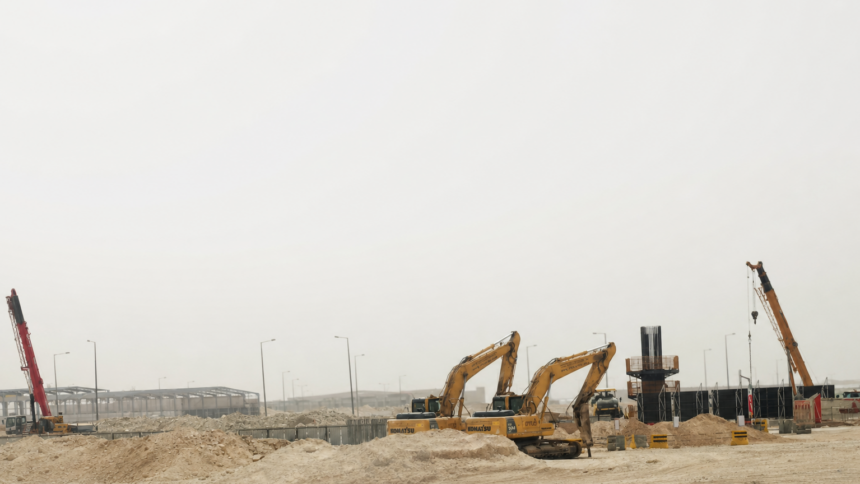
The General Authority for Statistics placed the annual increase in the construction cost index at 2.2 percent for September 2026 when measured against September 2025. GASTAT figures show the residential sector registered a 2.1 percent rise over the period while the non-residential sector advanced 2.6 percent. The authority’s latest report breaks down the overall movement as the weighted result of these two segments, which together capture the full scope of building activity across the kingdom.
Equipment and machinery rental costs led the annual advance with a 4.4 percent increase, according to the GASTAT assessment. The authority’s data attributes much of that gain to a 5.5 percent rise in rentals with operators in the residential sector and a 7.2 percent jump in the same category for non-residential work. Basic materials climbed 1.7 percent, labor costs moved up between 1.5 and 2.0 percent depending on the sector, and energy prices rose 3.0 percent across both, the report stated.
GASTAT reported that the index remained unchanged from August 2026 on a monthly basis, reflecting stability in costs for residential and non-residential construction alike. The authority noted that none of the four main components recorded measurable shifts during the single month. This pause follows a series of modest monthly movements recorded earlier in the year.
Previous GASTAT releases showed the annual pace of construction cost increases fluctuating between 1.4 percent and 2.7 percent through the first eight months of 2026. The authority’s August 2026 reading stood at 2.3 percent, while the June figure reached 2.7 percent before easing. These successive reports illustrate a consistent but contained upward trend amid sustained building activity.
The index assigns the largest weight to basic materials at roughly 48.5 percent, followed by labor at 29.9 percent, equipment and machinery rental at 19.0 percent, and energy at 2.5 percent, according to the methodology GASTAT has applied since updating the base year to 2023. The authority compiles the data from observed prices and rates across the kingdom to produce a national benchmark. Planners and researchers rely on the series to track input cost pressures in an industry supporting multiple giga-projects.
GASTAT publishes the construction cost index on a monthly schedule, with the September 2026 edition released this week through its official statistical portal. The authority’s accompanying tables detail movements at both the headline level and for individual components within each sector. Earlier editions have similarly highlighted equipment rental as a recurring driver of annual changes throughout 2026.