ع



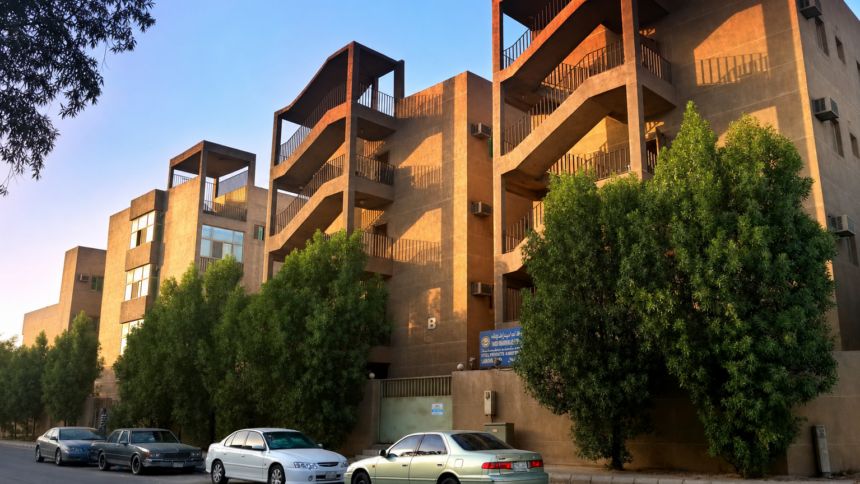
The National Program for the Development of Group Housing for Individuals has required establishments with fewer than 250 targeted employees to correct their worker accommodation arrangements and meet all regulatory standards before the final phase of mandatory licensed group housing takes effect on February 1, 2027. A statement distributed by the Saudi Press Agency on behalf of the program described the remaining time as a corrective grace period that enables businesses to fulfill the necessary conditions. The program, chaired by the Ministry of Municipalities and Housing, includes membership from the ministries of interior, health, human resources and social development, commerce, and industry along with several royal commissions.
Establishments can meet the obligation through one of two approved routes, the program stated. The first option requires securing a group accommodation license for a building owned by the establishment via official platforms after satisfying applicable health, technical and safety criteria. The second allows contracting with group housing units that have already received prior approval, enabling companies to provide compliant accommodation without operating their own facilities.
This step completes a phased rollout that began with larger employers and specific occupational groups. The Qiwa platform has specified that mandatory shared housing covers 527 professions classified under skilled agricultural roles, crafts and trades, machine operation and assembly, and elementary occupations for establishments employing more than 20 workers in those categories. Figures from the Ministry of Municipalities and Housing show that 1,360 collective housing licenses have been issued so far, serving approximately one million resident workers.
The National Program for the Development of Group Housing for Individuals was launched in 2025 to introduce unified municipal, technical, health and safety standards for the sector. An earlier ministry assessment placed the licensed capacity against growing demand from commercial activity and regulatory tightening. The program operates through coordination with the Baladi and Qiwa digital platforms to link licensing to other government services.
The program has called on covered establishments to begin licensing procedures or sign contracts with approved providers while the grace period remains open. Its announcement on the Ministry of Municipalities and Housing website underscored that adherence to the approved pathways helps limit irregular use of residential buildings. Officials noted that the framework supports broader efforts to organize worker housing across Saudi cities.
Businesses in targeted sectors that fail to comply after February 1, 2027 will face enforcement measures tied to the licensing system, according to the program’s published guidelines. The initiative builds on prior regulatory updates that made housing allowances insufficient to substitute for actual licensed accommodation in designated professions. Records from the Saudi Press Agency indicate the current announcement extends the same compliance logic applied in earlier phases to a wider range of smaller establishments.