ع



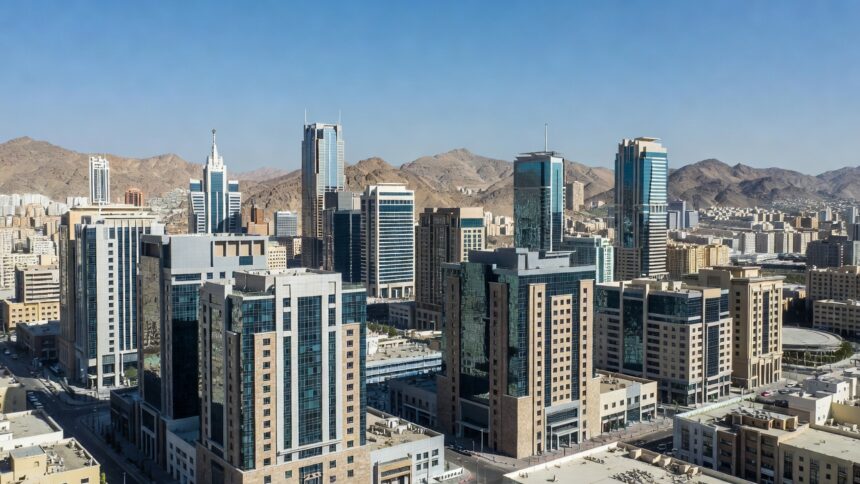
Minister of Tourism Ahmed Al-Khateeb detailed the preparations while speaking at the Hajj Conference and Exhibition in Jeddah. He confirmed that licensing of all buildings set aside for pilgrims was completed the day before his remarks, reflecting the early start to organizational efforts for the 1448 AH season. The announcement underscores coordinated work across government bodies to manage the massive annual influx of visitors to the holy cities. Al-Khateeb stressed that the process ensures every facility adheres to established criteria before the pilgrimage begins.
Approximately 4,000 accommodation buildings across Makkah and Madinah will offer a combined 400,000 rooms, according to the minister. Temporary facilities are set to provide an additional 560,000 beds during the peak period. These assets form the backbone of hospitality arrangements that have grown more sophisticated with each passing year. The minister placed the combined room capacity in global perspective during his address.
Only 10 percent of countries worldwide maintain a similar volume of rooms to those available in the two holy cities, Al-Khateeb said. This positioning allows Saudi Arabia to accommodate the large pilgrim flows that have become a defining feature of the Hajj. Historical records from the Ministry of Hajj and Umrah show that recent seasons have regularly drawn well over one million participants from more than 180 countries. Such scale requires meticulous advance planning on multiple fronts.
The Ministry of Tourism took charge of pilgrim accommodation oversight last year, the minister explained. Its mandate has focused on expanding available capacity while enforcing consistently high service levels throughout the hospitality network. This shift has enabled tighter integration between regulatory oversight and operational delivery. Officials have conducted repeated inspections to verify compliance at every site.
Al-Khateeb added that authorities had taken roughly 400 buildings out of service after they fell short of basic requirements for structural safety and service quality. The exclusions ensure that only verified locations will house pilgrims, thereby minimizing potential disruptions. All remaining facilities have now received official approval for the upcoming season. The minister framed these steps as essential to maintaining trust among guests of the Two Holy Mosques.
Ministry of Health figures show that the Saudi health system delivered more than 1.2 million services to pilgrims during the 1447 AH season, demonstrating the breadth of supporting infrastructure that complements accommodation efforts. The licensing drive for the coming year continues this pattern of layered readiness across sectors. Digital platforms such as Nusuk have also expanded their role in streamlining pilgrim movements and bookings in recent cycles.