ع



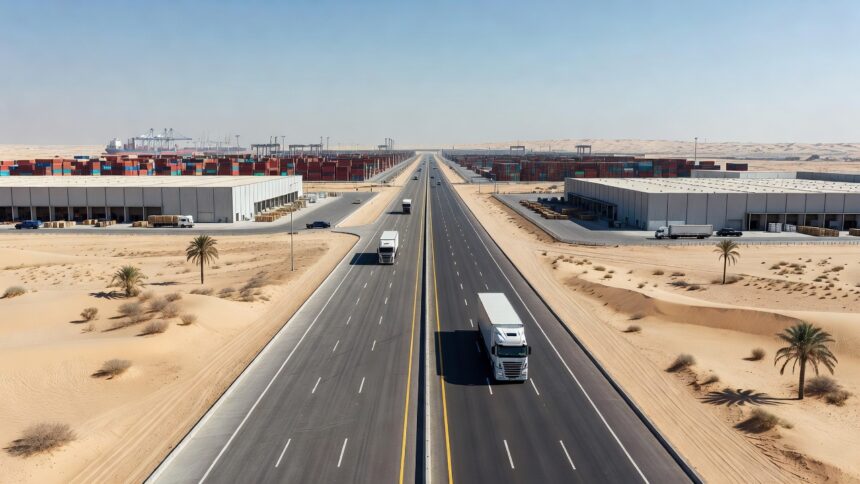
The Ministry of Commerce reported that existing commercial registrations for transport and storage activities expanded 31 percent year on year to 185,554 by the end of the third quarter of 2026. Ministry figures show the total rose from 141,180 registrations in the same quarter of 2025, reflecting increased commercial traffic and developing supply chains. The update forms part of the ministry’s quarterly review of high-potential sectors aligned with Saudi Vision 2030 objectives for economic diversification and logistics enhancement.
Logistics services within the broader category grew 35 percent to reach 29,992 registrations compared with 22,097 a year earlier, the ministry stated. Road freight transport posted a 52 percent increase to 104,612 registrations from 68,697 previously. Storage operations in ports, customs areas or free zones advanced 46 percent to 9,111, according to the ministry’s detailed breakdown of the data.
The ministry placed the overall number of active commercial registrations across Saudi Arabia at 1.9 million in the third quarter, a 7 percent rise from the prior year. A separate ministry bulletin issued in October noted that more than 50,000 new commercial registers were granted during the period, with construction, wholesale retail and hospitality activities leading the issuances. Riyadh, Makkah and the Eastern Province together represented 73 percent of those new registrations.
Listed companies in the transport and logistics sector recorded combined net profits of 413.2 million riyals in the third quarter, a market analysis by Decypha showed. Revenues for the group climbed 16 percent to 6.43 billion riyals, supported by demand for ground handling and expanded logistics services. SAL Saudi Logistics Services led profit growth with a 28 percent rise to 232 million riyals on higher handling and logistics revenue.
The General Authority for Transport reported that railway services moved 40.9 million passengers and 3.9 million tons of freight during the third quarter. Urban rail networks accounted for 38.3 million of the passenger journeys, led by the Riyadh Metro with 30.4 million riders. Intercity lines including the Haramain High Speed Rail and SAR networks handled the remaining passenger traffic along with significant cargo volumes.
The ministry highlighted parallel gains in related strategic sectors, with manufacturing registrations rising 18 percent to 255,188 and mining activities increasing 13 percent to 12,831. These increases occurred alongside a 25 percent expansion in e-commerce registrations to 52,259, according to the same quarterly bulletin. Such patterns illustrate sustained momentum in business registrations across areas prioritized under the kingdom’s long-term development framework.