
 ع
ع


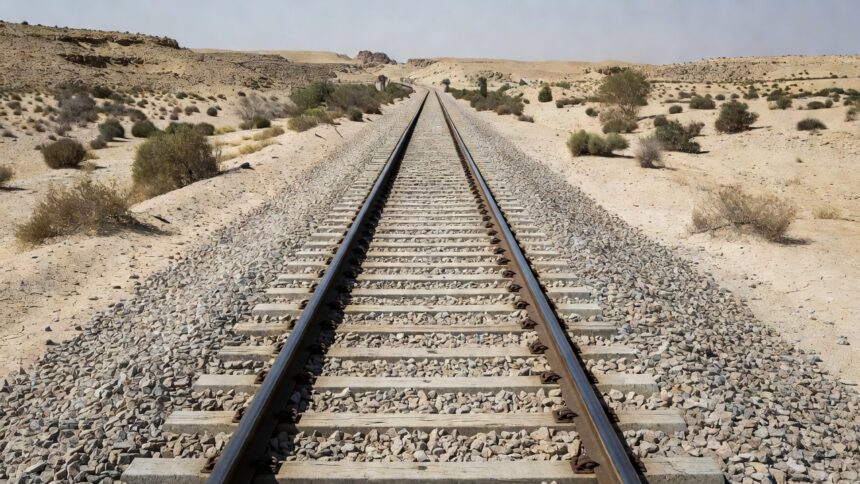
The Syrian Arab News Agency reported that Syrian Transport Minister Yarub Badr and Saudi Minister of Transport and Logistics Services Saleh Al-Jasser signed the pacts at the Four Seasons Hotel in Damascus on August 27. The four agreements focus on roads, railways, postal services and civil aviation with two memorandums of understanding centered on land transport, rail networks and logistics cooperation. They aim to build capacity, share expertise and conduct studies that will help rehabilitate Syria’s war-damaged infrastructure while stimulating the flow of goods and people between the two countries.
Coordination talks between the ministers preceded the signing ceremony and covered ways to strengthen joint work in transport and logistics while expanding bilateral trade. Badr noted that the Saudi delegation’s visit comes as Syria experiences rapid developments across economic and trade sectors that open broader prospects for partnership. He highlighted Saudi steps to facilitate visas for truck drivers which he said would ease the movement of goods in both directions.
Badr added that Syria seeks to strengthen cooperation with Saudi Arabia across transport and logistics particularly in developing land transport and railway networks and benefiting from the Kingdom’s expertise and advanced experience. The pacts come one day after Damascus reached a similar understanding with Lebanon on reviving shared rail and road links. Such initiatives form part of wider regional efforts to restore connectivity that was severed during years of conflict.
Reuters reported in February that Saudi Arabia had already announced a major investment package in Syria spanning energy, aviation and telecommunications worth several billion dollars. That earlier package included the launch of an Elaf Fund committing $2 billion to redevelop Aleppo’s airports and an agreement with flynas to establish a new joint airline expected to begin operations later in 2026. Saudi Telecom Company also pledged funds to build more than 4,500 kilometers of fiber-optic cable linking Syria to regional networks.
The latest transport agreements build on those investments by targeting practical infrastructure repairs and operational improvements that can accelerate Syria’s post-conflict recovery. Public data from multilateral organizations place the cost of rehabilitating Syria’s rail system alone in the hundreds of millions of dollars after damage sustained over 14 years of civil war. Officials from both sides have emphasized knowledge transfer as a core element that will allow Syrian teams to adopt Saudi standards in project management and safety compliance.
Arab News noted that the accords align with Damascus’s recent deal with Beirut to form a joint technical team for cross-border rail revival which could eventually connect to Gulf networks through Jordan. The Syrian minister’s emphasis on visa facilitation for drivers reflects growing commercial traffic at border crossings that has increased since the easing of certain sanctions. These steps are expected to reduce logistics costs and position Syria as a potential transit hub for goods moving between Asia, Europe and the Arabian Peninsula.