

 ع
ع


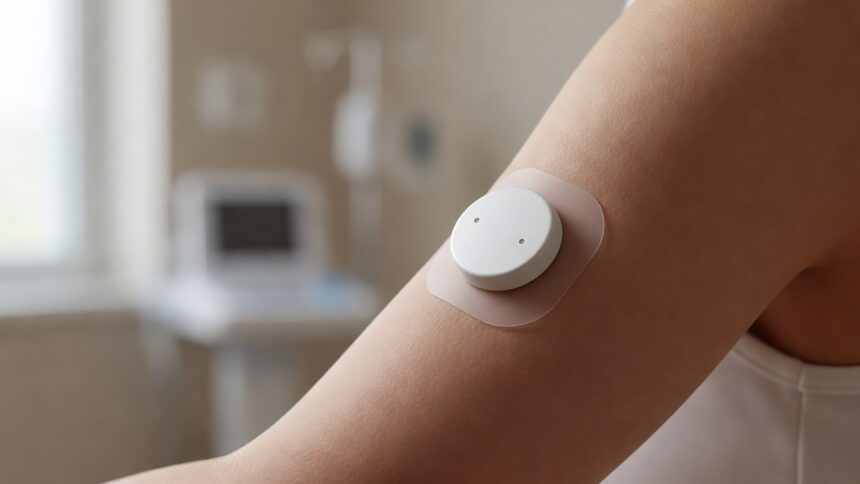
In an announcement on its news portal the Saudi Food and Drug Authority said it granted marketing authorization for an innovative dual glucose and ketone monitoring device. The clearance came via the authority’s Innovative Medical Devices pathway following a detailed review of technical documentation, safety information and clinical performance results. This step makes the biosensor the first of its kind approved for use in Saudi Arabia while placing the SFDA among the first regulators worldwide to authorize the technology. The authority’s evaluation confirmed that the device meets stringent standards for accuracy in tracking both glucose and ketone levels around the clock.
International Diabetes Federation data places diabetes prevalence in Saudi Arabia at roughly 17.7 percent among adults, one of the highest rates recorded in the region and a driver of elevated complication risks. Diabetic ketoacidosis represents a critical concern for many patients because undetected ketone elevations can escalate rapidly without continuous oversight. According to the SFDA announcement the dual monitor supplies simultaneous real-time readings that support earlier detection of physiological shifts and faster clinical interventions by patients and providers alike. The authority noted that such tools can play a direct role in proactive diabetes management across the kingdom’s healthcare network.
Abbott secured CE Mark for its Libre Duo system in May 2026, a company press release distributed via PR Newswire stated. That authorization introduced the first sensor capable of delivering minute-by-minute glucose and ketone measurements in a single wearable unit lasting up to 15 days. The subsequent SFDA approval extends the technology’s reach to Saudi patients shortly after its initial European availability. Industry reports indicate the device removes reliance on separate blood or urine tests for ketone monitoring.
The SFDA announcement connected the authorization to national priorities under the Health Sector Transformation Program and the National Biotechnology Strategy, both components of Saudi Vision 2030. These frameworks emphasize adoption of innovative medical devices to raise care quality for chronic conditions. The authority’s accelerated yet comprehensive review process for the biosensor illustrated how the pathway balances timely market entry with robust patient safeguards.
A study published in the Eastern Mediterranean Health Journal reported that 12.3 percent of Saudi diabetes patients experienced high diabetes-related distress linked to disease management challenges. Continuous dual monitoring addresses aspects of that burden by offering integrated visibility into parameters traditionally tracked separately. Further regulatory reviews for the device continue in additional markets, building directly on the CE Mark and SFDA decisions that have unfolded since May.