 ع
ع

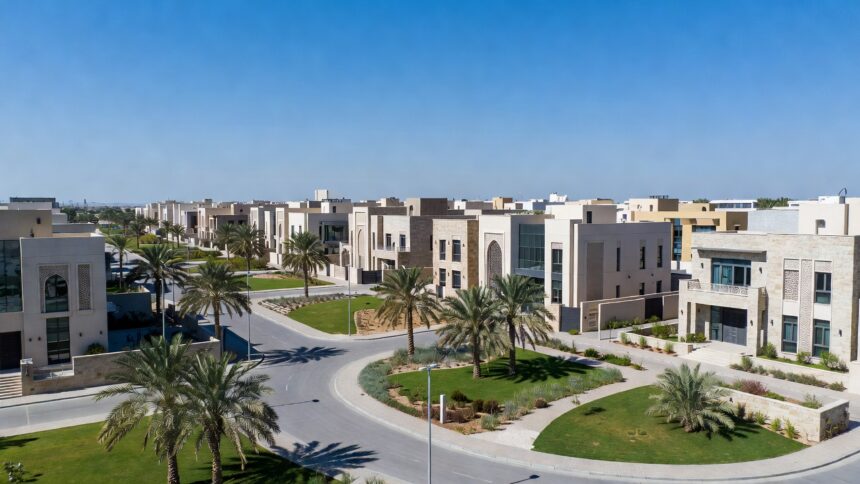
Housing Program Annual Report figures show Saudi homeownership among citizens rose from 47 percent in 2016 to 66.24 percent by the end of 2025, placing the Kingdom within reach of its 70 percent target under Vision 2030. The Ministry of Municipalities and Housing delivered support to more than 25 percent of Saudi families between 2018 and 2025 through streamlined processes and financial assistance that expanded access to ownership. Vision 2030 Annual Report data further places the gains within a decade-long effort that included regulatory reforms and digitization of housing services, which together enabled the delivery of more than 46,000 units to families in need.
Minister of Municipalities and Housing Majed Al-Hogail presented the updated national report to a United Nations forum, where he outlined parallel advances in urban livability that accompanied the housing surge. Public space per capita expanded from 5.2 square meters to 6.9 square meters while the Bahja program added more than 12 million square meters of community areas across cities, according to the report submitted this week. These spatial improvements form part of broader sustainable urban development that aligns with the New Urban Agenda commitments detailed in the document.
The 2026 national report to UN-Habitat recorded significant mobility gains that support the housing and urban agenda. Riyadh Metro carried more than 100 million passengers during its first nine months of operation while urban bus services transported over 96.8 million riders throughout 2025. Such infrastructure investments, the ministry assessment found, enhance connectivity in areas where new housing developments have concentrated.
Social development metrics in the report demonstrated parallel progress with the homeownership increase. Women’s labor force participation rose from 22.8 percent to 36 percent and the employment rate for people with disabilities doubled during the same period. The number of nonprofit organizations surpassed 7,213 with growth exceeding 341 percent, reflecting strengthened community participation that complements residential stability.
Green finance initiatives received prominent attention in Al-Hogail’s Thursday presentation at the UN meeting. Saudi Arabia issued $9.1 billion in green bonds and sustainable sukuk during 2024 while the Public Investment Fund’s framework carries commitments exceeding $10 billion by 2026. These instruments, the national report stated, back projects under the Saudi Green Initiative and National Renewable Energy Program that integrate environmental considerations into urban expansion.
The Kingdom signed more than 56 public-private partnership agreements and formalized a 2024-2027 cooperation pact with both UN-Habitat and the United Nations Development Programme, according to details shared in the report. Al-Hogail’s review at the international forum emphasized how these partnerships reinforce the domestic reforms that drove the homeownership rise and associated urban indicators over the past decade.