

 ع
ع


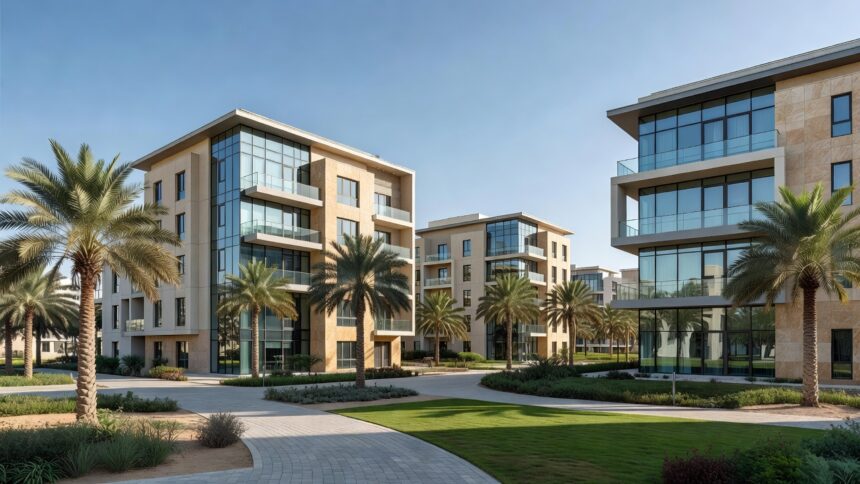
The General Authority for Statistics highlighted that prices in the housing, water, electricity, gas and other fuels segment rose by 3.5 percent annually, contributing the largest share to the headline inflation figure. Rents for actual and imputed housing increased 4.4 percent during the period, the authority’s breakdown showed. This sector’s performance aligns with ongoing demand in the real estate market amid population growth and urban development projects across the kingdom.
GASTAT also detailed that food and beverage costs advanced 1.4 percent while the transport category recorded a 1.7 percent gain. The personal care and related services sector saw a 3.8 percent increase, propelled by a 14.7 percent jump in jewelry prices, the statistics office reported. Offsetting movements included lower prices in some communication and apparel segments that limited the overall rise to 1.8 percent.
According to GASTAT, the consumer price index edged up 0.2 percent in June from May on a monthly basis, with food prices climbing 0.7 percent and transport costs increasing 0.4 percent. Housing prices rose a more modest 0.1 percent during the month. These incremental changes reflect seasonal and supply-side factors influencing specific categories.
The International Monetary Fund has reported that Saudi Arabia’s inflation has remained relatively contained in recent years with an average rate of around 2 percent between 2020 and 2025. In its latest inflation report the Saudi Arabian Monetary Authority noted that such levels support macroeconomic stability and household consumption. GASTAT historical series place the June outcome in line with this longer-term moderation from higher rates recorded in the previous decade.
The authority compiles the consumer price index using a representative basket of goods and services weighted according to household expenditure surveys conducted periodically. Price collection occurs across multiple outlets in all 13 administrative regions to ensure comprehensive coverage. This methodology has been refined over time to better capture the evolving Saudi economy.
World Bank statistics show Saudi inflation trailing that of several other Middle Eastern economies facing higher food and energy volatility in recent years. The kingdom’s pegged exchange rate and substantial fiscal buffers have helped insulate domestic prices from external shocks, according to economic analyses from the multilateral institution. GASTAT indicated it will release more detailed sectoral data in coming weeks for further review by policymakers and private sector analysts.