ع



Saudi Investment Minister Fahd Al-Saif announced during a ministerial session on Vision 2030 at the World Petroleum Congress in Riyadh that foreign direct investment in emerging economic sectors accelerated by 162 percent over the past five years. The minister added that total fixed capital formation across the kingdom increased 52 percent in the same period. Al-Saif stressed that the next phase of economic development would shift focus from expanding investment volumes toward improving quality productivity and impact.
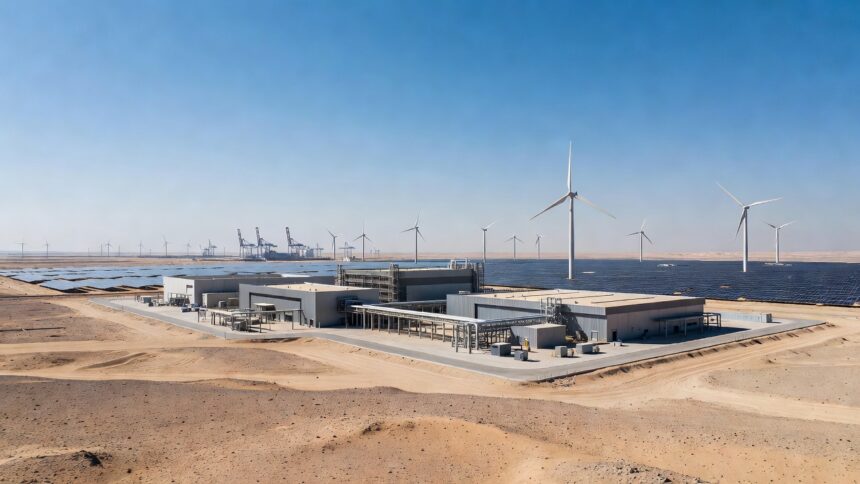
The energy sector captured more than 22 percent of total fixed capital formation according to the minister’s presentation at the October 12 event. Private sector participation exceeded 75 percent of overall investments during the five-year span Al-Saif said. He identified tourism travel and entertainment advanced manufacturing innovation and logistics services industry renewable energy and water as the principal areas driving the foreign direct investment surge.
Al-Saif told the session moderated by Al Arabiya Business that developing these sectors required stronger integration with supporting services infrastructure and the financial system. The minister highlighted ongoing efforts to establish fully integrated industrial clusters as a key mechanism to anchor new investment. One such cluster targets automotive manufacturing in the western region while an interconnected ecosystem in the eastern province links shipbuilding petrochemical industries ports pipelines and logistics operations.
Separate data published by the General Authority for Statistics show net foreign direct investment inflows reached approximately 39.6 billion dollars in 2025 with technology and digital services accounting for the largest share at nearly 22 percent. Vision 2030 annual reports place the cumulative FDI inflows since the program’s launch above 140 billion dollars though annual figures remain below the 100 billion dollar target set for 2030. The Ministry of Investment has reported a 6.5 percent increase in foreign direct investment during the first half of 2026 despite global economic headwinds.
Al-Saif noted that total investments in the kingdom have doubled since 2015 a period that coincides with the rollout of Vision 2030 reforms. The minister attributed sustained investor confidence to the stability of Saudi fiscal policy which has enabled long-term capital commitments. He emphasized that energy remains central to the economy while the private sector assumes an expanding role in diversification initiatives.
Officials at the conference indicated that future policies would prioritize converting investment opportunities into operational projects deepening value chains and raising productivity levels. The minister’s remarks align with broader government efforts to elevate the contribution of non-oil sectors to gross domestic product and employment. Al-Saif concluded that building resilient integrated supply chains across the identified growth areas would support the kingdom’s long-term economic objectives.