
 ع
ع


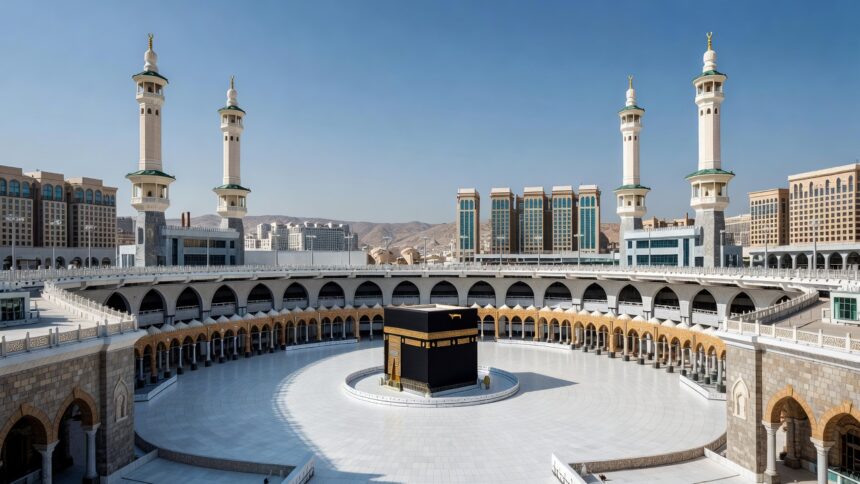
The Makkah Joint Defense Agreement, which establishes that an armed attack on one participant will be regarded as an attack on all three, secured immediate endorsement from senior officials and institutions across the Islamic and Arab spheres following its formal signing. A joint statement issued after the summit in Makkah outlined the pact’s focus on deepening military cooperation and safeguarding shared interests, according to Xinhua. Pakistani Prime Minister Muhammad Shehbaz Sharif hailed the accord in remarks that underscored its foundation in common faith and ties, while Turkish and Saudi leaders joined in the ceremony that brought together substantial military and economic capabilities from the three nations.
Sharif described the agreement as one that embodies the unity of three brotherly countries bound by the Islamic faith, strong fraternal ties and a shared commitment to promoting peace and security. He expressed hope that it would serve as a shield for peace and contribute to prosperity while serving the interests of the Islamic nation. Pakistani President Asif Ali Zardari separately termed the development an important milestone in strengthening strategic partnership among the countries that would contribute to greater security, peace and prosperity for the wider Islamic community.
Bahrain’s Ministry of Foreign Affairs commended the defense capabilities and roles of the signatories in promoting security and stability, according to its official statement. The ministry characterized the pact as a strategic partnership that safeguards regional security, strengthens joint deterrence and complements the GCC framework. Such reactions highlighted the agreement’s alignment with existing cooperative structures in the Gulf.
The Palestinian Presidency welcomed the accord as an important strategic step that enhances security, stability and cooperation while supporting Palestinian rights. Palestinian officials expressed appreciation for the leaders’ initiative to strengthen capabilities and integration in protecting national sovereignty. The statement reflected broader Arab interest in how the pact might influence collective positions on longstanding regional issues.
Sheikh Mohammed Al-Issa, secretary-general of the Muslim World League, highly commended the joint statement and welcomed its foundation on brotherhood and Islamic solidarity. The MWL assessment found that the pact would enhance collective security, promote peace, stability and prosperity across the Islamic world. Al-Issa positioned the agreement within a tradition of Muslim unity aimed at addressing contemporary challenges.
Analysts following the summit noted that the three countries together command significant strategic assets, including Pakistan’s nuclear deterrent, Türkiye’s position as holder of NATO’s second-largest standing army and Saudi Arabia’s role as custodian of Islam’s holiest sites with substantial financial resources, according to an Al Jazeera examination of the pact’s potential as a deterrent to regional threats. The agreement emerges amid ongoing tensions that have tested alliances from the Middle East to South Asia. Further implementation details are expected to clarify how the framework will operate in practice across joint exercises, intelligence sharing and mutual support mechanisms.