
 ع
ع


The Prince Mohammed bin Salman Royal Reserve announced the program completion as a way to place cameras with those who live and work in its terrain so they can narrate conservation through personal perspectives. Andrew Zaloumis, CEO of the reserve, stated that photographic storytelling by locals functions as a catalyst for social and environmental sustainability. It unites communities around fresh concepts that ultimately influence how the reserve is perceived internally and externally, Zaloumis added in the announcement.
The effort opened with a two-day smartphone photography session for 36 reserve team members before the authority chose 13 participants, nine men and four women, for an intensive DSLR course based on their aptitude and enthusiasm. Those selected, drawn from rangers, ecologists and community development roles, pursued the curriculum while maintaining their regular duties under the direction of international photographer Angela Buckland. The modules addressed visual literacy, exposure, lens choice and supporting techniques along with one-on-one coaching to refine distinctive photographic voices, according to the reserve.
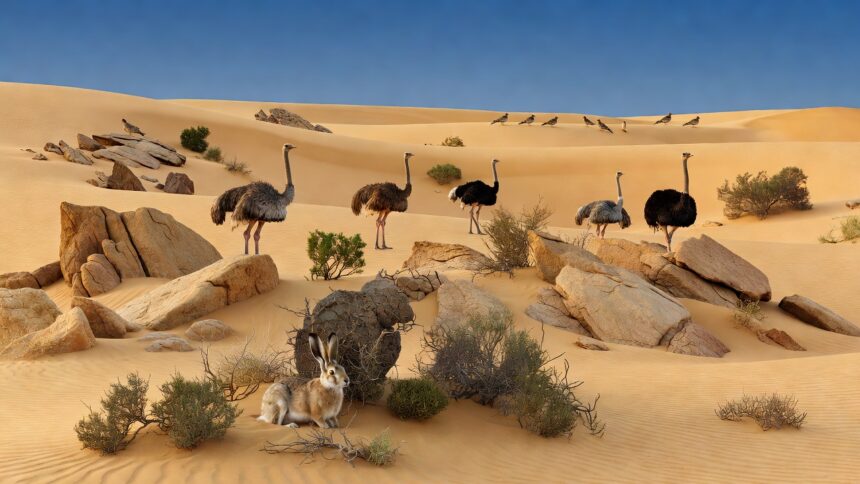
Trainees spent six months recording routine activities, scenery, heritage elements and conservation landmarks that included the reintroduction of the Red-necked ostrich, Arabian hare and Asian houbara. Ranger Abdullah Al-Huwaiti photographed night skies above the terrain, returning wildlife and the fieldwork performed by fellow inspectors. “I think people outside the Reserve may not realize the amount of work and effort that goes into protecting nature and conserving wildlife,” Al-Huwaiti said.
Marine ranger Salma Aziz Alqasir, who grew up in the Red Sea town of Duba and received her first camera from her father at age nine, merges imaging with coastal patrols that track dolphins, birds and turtle nesting zones. “Whether photographing dolphins, birds or the changing marine environment, it’s not just about the picture,” she said. “I keep learning about the relationship we have to the animal world and it inspires me to do my part in protecting nature.”
Biodiversity and research manager Ali Al Faqih applies photography to ecosystem oversight with special attention to birds and secured the first White-tailed eagle observation in Saudi Arabia in more than 20 years during 2025. “The Reserve contains exceptional ecosystems with high biodiversity,” Al Faqih said. “We have a responsibility to demonstrate the value of this complex environment so the public can respect and protect it for future generations. Photography is an effective way to showcase and share this beauty.”
The resulting images appeared in displays at Duba and Al-Wajh alongside selections from a school art contest that drew more than 1,000 entries from area children, the reserve reported. The collection also circulates on the authority’s digital outlets to widen understanding of its activities. The photography initiative supports the reserve’s documented record of more than 50,000 patrols and the reintroduction of 11 native species that restore regional habitats.
The authority intends to extend the scheme with videography instruction and targets a national exhibition of the participants’ work in 2027. This step continues the reserve’s pattern of involving residents directly in conservation messaging while advancing Saudi Arabia’s wider environmental restoration objectives.