

 ع
ع


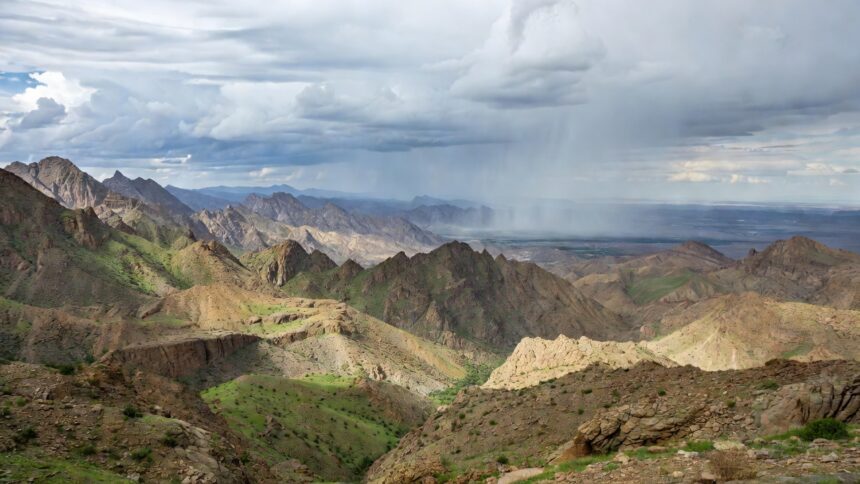
The National Center for Meteorology announced on August 25, 2026, that opportunities for rainfall would continue across parts of Saudi Arabia from August 26 until August 29 according to outputs from the Saudi numerical model. NCM data shows the precipitation pattern will involve light to moderate rains in some provinces while bringing heavier downpours to others at different times during the period. The center’s latest daily weather status report indicated that the chance for thunderstorms accompanied by hail and active winds stirring dust remains present in sections of Jazan, Asir, Al-Baha, Makkah and Madinah.
According to the National Center for Meteorology animated forecast map, light to moderate rain is expected to spread Wednesday afternoon into western Najran, southern sections of the Eastern Province and the western coast stretching from north of Jazan to Taif within the Makkah region. The rainfall is projected to intensify along the western areas on that day even as it eases in other parts of the country. NCM assessments place Thursday’s activity as featuring light to moderate rain over southern Asir with lighter amounts in Taif, Makkah, southern Eastern Province and Najran while conditions intensify once more on the western coast.
The National Center for Meteorology forecast indicates Friday will bring lighter rainfall to Tabuk, Al-Jouf, the Northern Borders and Madinah with moderate to heavy amounts concentrated in Taif, Makkah, Abha and Asir. On Saturday the center expects light rain in the Northern Borders and Hail during early morning hours before it returns in the afternoon and dissipates late in the evening. These projections draw directly from NCM’s numerical modeling that tracks evolving atmospheric conditions over the short term.
A June 2026 seasonal outlook issued by the National Center for Meteorology had projected below-average rainfall for August in Jazan, Al-Baha and parts of Asir, Makkah, Najran and the Eastern Province. The current short-term forecast therefore highlights a specific weather system that could deliver precipitation volumes exceeding those broader seasonal expectations in affected zones. NCM has released regular updates through its official platforms to reflect the latest model outputs and observed conditions.
The National Center for Meteorology daily bulletins have repeatedly noted high temperatures persisting in the Eastern Province alongside the thunderstorm risks in southern districts and Najran. Surface wind activity featured in those reports could interact with the forecasted rains to influence visibility and local weather patterns across the listed regions. Such combined elements form part of the center’s comprehensive monitoring that integrates satellite, radar and numerical prediction tools.
NCM figures from recent climate summaries underscore the variability in precipitation across Saudi Arabia even within a single season as models capture shifting pressure systems and moisture flows. The August 25 forecast builds on prior daily reports that had already signaled ongoing thunderstorm potential in southwestern provinces. This persistence through the end of the week adds detail to the center’s evolving picture of atmospheric developments.