ع



The Islamic Military Counter Terrorism Coalition reported that the discussions with Turkish representatives focused on practical steps to deepen collaboration across its four operational pillars of intellectual engagement, media outreach, countering terrorist financing and military coordination. Participants reviewed ongoing threats from transnational networks and explored expanded joint training programs to build capabilities among member states. The meeting reinforced the alliance’s emphasis on coordinated action, with both sides agreeing to pursue follow-up mechanisms for sustained partnership.
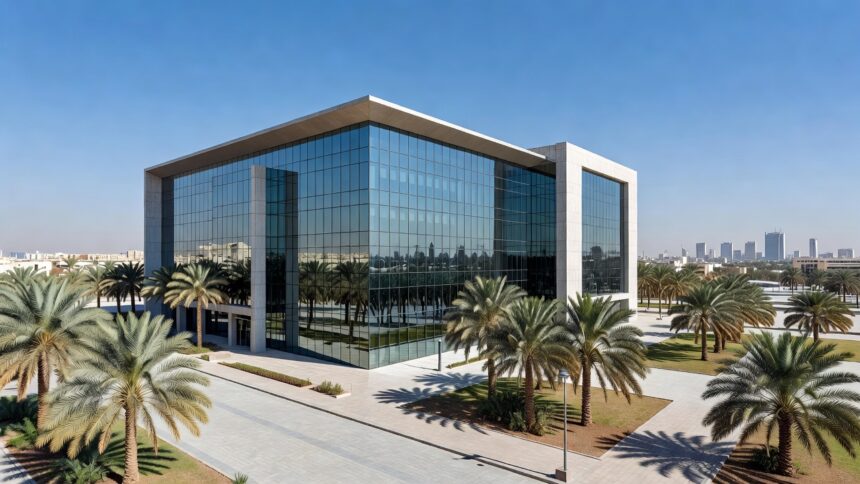
According to the IMCTC, Türkiye has remained an active contributor since the coalition’s formation in 2015, participating in initiatives that now encompass 43 member states following Cameroon’s accession in May 2025. Major General Mohammed bin Saeed Al-Moghedi, the coalition’s secretary-general, has stressed in recent engagements the value of bilateral meetings to align strategies against evolving security challenges. The Riyadh headquarters hosted the session as part of a series of similar dialogues with member nations over the past year.
A review of coalition records shows these talks align with broader efforts that have included comparable meetings with Pakistan and Malaysia, where emphasis was placed on capacity building and expertise exchange. The IMCTC operates under a command structure that includes former Pakistani army chief General Raheel Sharif, providing strategic oversight for joint operations. Such interactions help integrate national programs into a unified regional framework for addressing extremism.
IMCTC data indicates the coalition has delivered numerous specialized programs that have trained thousands of officials from member countries in areas ranging from deradicalization techniques to financial tracking of terror networks. The latest engagement with Türkiye comes after the alliance marked its 10th anniversary in December 2025, highlighting a decade of institutional growth in counter-terrorism coordination. Saudi support for the organization has included substantial funding and the establishment of its permanent base in Riyadh.
Discussions during the bilateral meeting also addressed border security coordination and strategies to counter groups like ISIS, building on Türkiye’s contributions to related international forums. Officials examined opportunities to integrate media campaigns aimed at undermining extremist narratives with military readiness initiatives. Both parties committed to maintaining momentum through regular consultations at technical levels.
The coalition’s approach has drawn participation from a wide range of nations across Asia, Africa and the Middle East, creating a platform that represents a significant portion of the Organisation of Islamic Cooperation membership. Recent IMCTC activities have expanded training offerings in intelligence analysis and threat assessment to adapt to current regional dynamics. This latest dialogue with Türkiye underscores the shared priority placed on collective security by alliance members.