ع



The Ministry of Human Resources and Social Development, in coordination with the National Council for Occupational Safety and Health, declared an end to the 2026 midday outdoor work ban that had required private sector employers to halt work under direct sunlight between noon and 3 p.m. from June 15 through September 15. Ministry figures show that inspectors conducted 29,945 visits during the enforcement period, yielding a 95 percent compliance rate while recording 1,771 violations and addressing 41 related reports. The announcement underscores ongoing efforts to safeguard workers from heat-related risks as temperatures moderate after the summer peak.
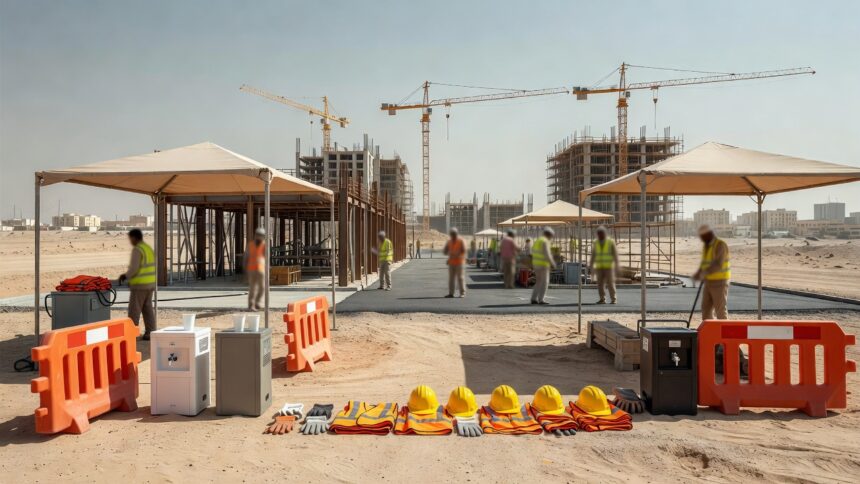
The ban formed part of a standing policy under the ministry’s occupational safety framework aimed at reducing instances of heat stress, exhaustion and associated health complications for outdoor laborers in sectors such as construction, cleaning and road maintenance. Employers were required to reorganize schedules, supply shaded rest areas, provide ample drinking water and distribute personal protective equipment throughout the restricted hours. According to ministry statements, these requirements have contributed to heightened awareness and improved safety practices among private sector operators over successive years.
Compliance with the previous year’s ban reached 94 percent, ministry data from 2025 indicated, pointing to progressive gains in employer adherence and understanding of preventive obligations. The National Council for Occupational Safety and Health supplemented the regulatory push with awareness campaigns, procedural guides and advisory materials on heat stress prevention that remain accessible via the ministry’s online platforms. Such initiatives have helped align workplace standards with both local regulations and broader international benchmarks for worker protection.
The Ministry of Human Resources and Social Development has continued to stress that the seasonal restriction represents more than a temporary rule, framing it as a core element of its commitment to fostering safe, sustainable work environments across the kingdom. Officials noted that the strong compliance figures reflect growing private sector responsibility and effective collaboration with oversight bodies during the three-month window. Even after the ban’s lift, the ministry encourages businesses to sustain these protective measures to minimize year-round occupational hazards.
Saudi labour regulations, including provisions under Article 121 of the Labour Law, supply the foundation for the annual policy, as outlined in the ministry’s published occupational safety documentation. Violations during the ban period can incur fines of 10,000 Saudi riyals per affected worker per day, according to regulatory summaries that also allow for potential work site closures in cases of repeated breaches. The long-term application of the ban has supported reductions in heat-related incidents while promoting a culture of accountability in high-risk industries.
The ministry maintains its supervisory and awareness activities beyond the summer period, urging workers and the public to report suspected violations through the unified contact line 19911 or the official smartphone application. Coordination with relevant authorities ensures consistent monitoring and enforcement of occupational health standards throughout the year. Data compiled from prior implementations demonstrate measurable improvements in both compliance levels and overall workplace safety metrics.