ع



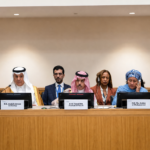
The latest discussions among the three nations built directly on the Makkah Joint Defence Agreement signed in early August, with the ministers reaffirming their collective stance against aggression amid ongoing regional instability. According to statements from the Pakistani Foreign Ministry, the participants explicitly condemned attacks on Saudi territory that have occurred in recent weeks. The officials emphasised that such incidents undermine regional security and require a coordinated response from the alliance partners. They further committed to accelerating practical steps to activate the pact’s mutual defence provisions.
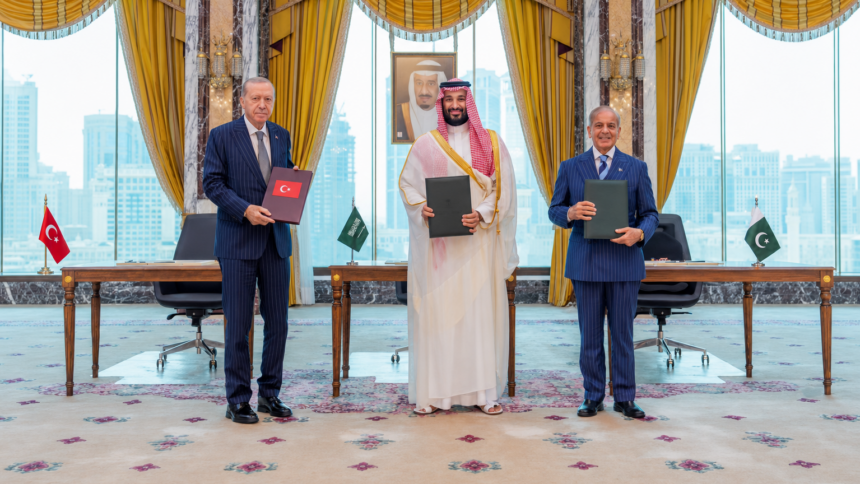
The Makkah Joint Defence Agreement was signed on August 7 in the Saudi holy city by Crown Prince Mohammed bin Salman, Turkish President Recep Tayyip Erdogan and Pakistani Prime Minister Shehbaz Sharif, the Associated Press reported. A joint statement issued by the three governments at the time stipulated that an armed attack against any one of the states would be regarded as an attack against them all. The pact also calls for enhanced cooperation across defence industry projects, intelligence sharing and counterterrorism efforts. Pakistani officials described the accord as a milestone for collective deterrence in a volatile strategic environment.
An inaugural meeting of the Strategic Political and Defence Committee created under the agreement took place in Istanbul on August 31, Al-Monitor reported. Turkish Foreign Minister Hakan Fidan told participants the gathering represented a historic step toward a new regional security architecture, while the group agreed to name the pact the Mecca Alliance. The committee brings together foreign and defence ministers along with the countries’ top military commanders to translate the political commitment into operational mechanisms. Saudi Defence Minister Khalid bin Salman, Pakistan’s Ishaq Dar and their Turkish counterparts attended the session alongside senior generals.
Recent attacks on Saudi facilities, including incidents attributed to Yemen’s Iran-backed Houthi movement, have tested the alliance’s early cohesion, the Jerusalem Post noted in its analysis of the pact’s initial phase. Pakistani Foreign Minister Ishaq Dar expressed solidarity with Saudi Arabia and condemned the strikes during separate talks in New York on September 22, according to Pakistan’s Foreign Ministry. The ministers agreed that urgent military talks are now necessary to define invocation procedures for the mutual defence clause and to coordinate potential responses. This step follows the August 31 committee session and aims to address gaps exposed by the current tensions.
The pact emerged against a backdrop of reduced reliance on traditional Western security guarantees, with the three countries seeking to integrate their substantial military capabilities, a New York Times assessment found. Saudi Arabia contributes its financial resources and strategic location, Türkiye offers NATO-standard forces and a growing defence industry, while Pakistan brings its nuclear deterrent and large standing army. Al Jazeera reporting on the Istanbul meeting highlighted how the alliance could reshape responses to threats from actors such as Israel and Iran-aligned groups. Officials have stressed the arrangement is not intended to form a sectarian bloc or trigger an arms race.
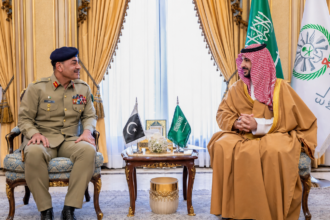
Implementation details, including the location of a planned general secretariat in Saudi Arabia and the precise triggers for collective action, remain under discussion, Arab News reported following the original signing. The three nations have signalled openness to future expansion provided prospective members adhere to international law and share the group’s vision of stability. Pakistani military officials, including Chief of Army Staff Field Marshal Syed Asim Munir, have participated in all key sessions and reiterated the country’s commitment to the framework. The urgent military talks scheduled in the latest round are expected to focus on joint exercises, logistical integration and rapid-response protocols.