ع



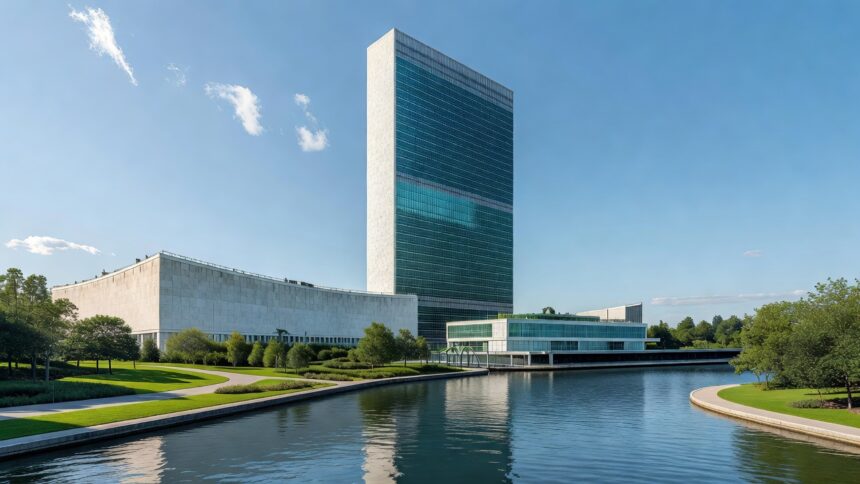
The UN Security Council issued a presidential statement on October 15 that condemned in the strongest terms the continued and escalatory attacks by Iran-backed Houthi militants against Saudi Arabia, including those targeting civilian aviation and energy infrastructure that have killed and injured civilians. Council members expressed deepest sympathy and condolences to the families of the victims, the Saudi government and its people while wishing a speedy recovery to those injured in the assaults. The statement, read into the record at a public meeting by the council president from Greece, also reiterated condemnation of Houthi threats against commercial shipping in the Red Sea and Bab al-Mandeb strait, stressing the need to uphold international law including the United Nations Convention on the Law of the Sea.
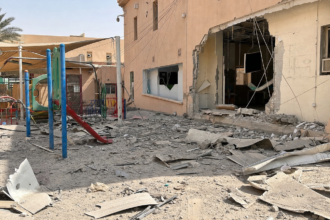
Saudi Arabia’s Foreign Ministry welcomed the council’s position according to a statement reported by Arab News, describing the condemnation as an important step that highlighted the reckless nature of the Houthi actions against civilian facilities, airports and energy sites. The ministry noted that the statement explicitly affirmed the kingdom’s inherent right to self-defense in accordance with international law, a point that aligns with Saudi Arabia’s longstanding position on responding to cross-border threats. Officials pointed to the pattern of nearly 20 strikes on King Khalid International Airport since the start of October as evidence of the militants’ intent to disrupt civilian life and regional stability.
A coalition spokesperson, Maj. Gen. Turki Al-Maliki, detailed the scale of the airport campaign in a briefing covered by multiple outlets including Al Arabiya, reporting that reckless strikes on October 10 and 11 alone killed 13 people and wounded more than 300 at the Riyadh facility. The same period saw additional assaults on other Saudi airports and Saudi Aramco installations that further endangered civilians and critical infrastructure, according to the spokesperson’s assessment shared with reporters. These figures build on earlier attacks that same week, including one on October 8 that destroyed a Saudia aircraft and claimed three lives including a pilot.
UN Secretary-General António Guterres separately condemned the deadly strike on Riyadh’s airport that Saudi authorities linked to the Houthis, stating that attacks on civilians and civilian infrastructure violate international law and must cease immediately, a position outlined in a statement issued through the Department of Political and Peacebuilding Affairs. The escalation follows the collapse of a Yemen truce in September, an event that a UN special envoy briefing to the council described as having plunged the country back into full-scale conflict with over 200,000 people newly displaced since August. Special Envoy Hans Grundberg told council members that the renewed violence poses serious risks to regional security and complicates peace efforts.
The council’s presidential statement demanded that the Houthis immediately halt their military escalation in Yemen and emphasized that sustainable peace cannot be achieved through violence or coercion while calling for full implementation of resolution 2216 and subsequent measures. Members urged practical cooperation with the Yemeni government to block the flow of arms, financing and technical assistance that enable further attacks, building on earlier council press statements from August and September. Xinhua reported that the document also highlighted the importance of respecting international humanitarian law in all related actions.
The Saudi Foreign Ministry had previously drawn the council’s attention to Houthi attacks in a letter submitted in September that catalogued strikes on civilian sites in Abha, Khamis Mushayt, Jazan and Najran which injured dozens including women and children. That correspondence, distributed via the UN digital library, stressed that such actions represent flagrant violations of sovereignty and international humanitarian law while calling for firm international measures to prevent recurrence. The latest council action marks a stronger formal response than prior statements, requiring consensus among all 15 members and carrying added diplomatic weight.