
 ع
ع


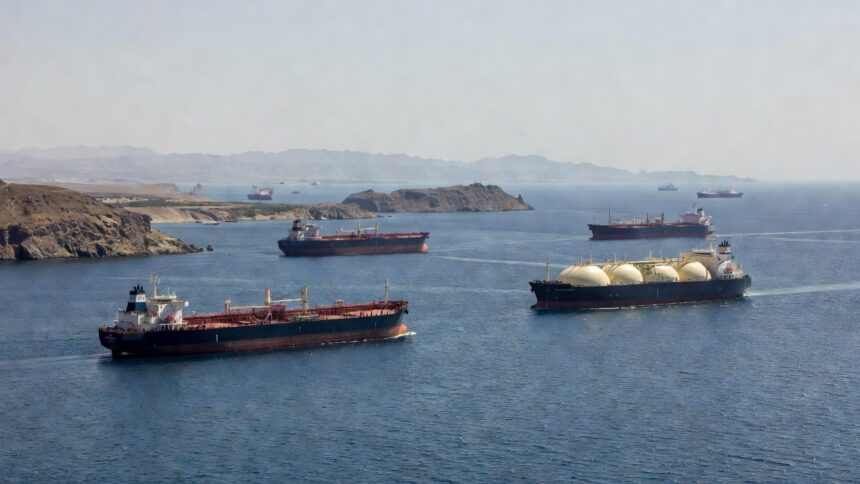
The Saudi foreign ministry stated that Iran targeted the Saudi tanker Wedyan and the Qatari liquefied natural gas tanker Al-Rekayyat as they transited the strategic waterway, holding Tehran fully responsible for the assaults and their repercussions. Three tankers were struck within hours according to maritime monitors cited in regional reports. The ministry demanded that Iran immediately cease all actions threatening regional security, international navigation and energy supplies.
In a statement distributed by the Saudi Press Agency, the Muslim World League condemned the attacks as repeated criminal practices that violate religious values, international and humanitarian laws and norms. Secretary-General Sheikh Dr. Mohammed bin Abdulkarim Al-Issa expressed full solidarity with Saudi Arabia and Qatar while urging Iran to stop actions that undermine efforts to restore security and stability in the region. The MWL called for an immediate halt to practices endangering maritime safety.
The Arab Parliament denounced the strikes as a dangerous escalation with Speaker Mohammed Al-Yamahi calling for respect for international law and restraint from all parties. Kuwait’s Ministry of Foreign Affairs issued a statement condemning the attack on the Saudi tanker and affirming support for the kingdom while demanding an end to such incidents and de-escalation. The Kuwaiti position emphasized compliance with international norms to maintain stability.
Syria described the aggression as unjustifiable and expressed full solidarity with Saudi Arabia and Qatar according to diplomatic statements. Jordan similarly condemned the targeting of the Saudi vessel and offered complete support to Riyadh in the matter. These reactions formed part of a broader wave of official responses across the region.
U.S. Energy Information Administration figures show that oil flows through the Strait of Hormuz averaged 20.9 million barrels per day in the first half of 2025 equivalent to about 20 percent of global petroleum liquids consumption. The waterway’s importance for energy transport makes any disruption a matter of international concern. Previous tensions have highlighted vulnerabilities in maritime routes critical for GCC oil exports.
Qatar’s Ministry of Foreign Affairs spokesperson Majed Al-Ansari stated that the attack on Al-Rekayyat represented an unacceptable assault on international navigation and global energy supplies as well as a clear violation of international law. The Qatari government summoned Iran’s deputy ambassador to deliver a formal complaint and demand an explanation. Officials called on Tehran to immediately cease practices that undermine regional security.