
 ع
ع


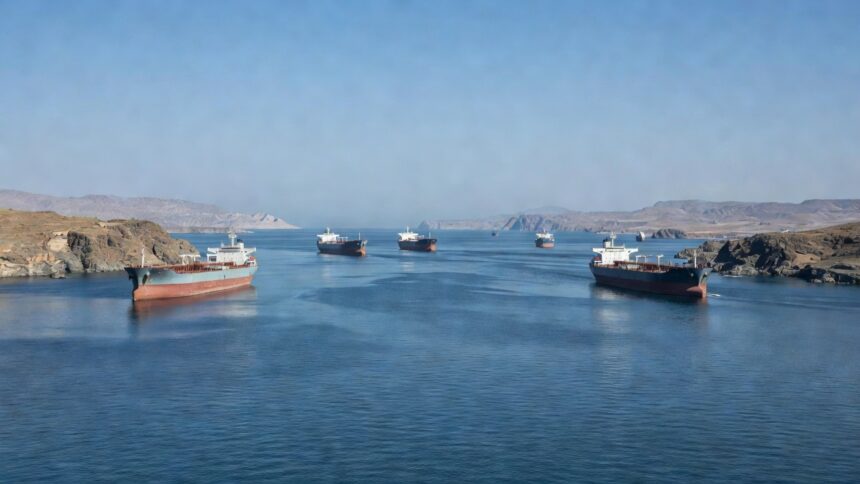
The Gulf Cooperation Council Secretary-General Jasem Mohamed Albudaiwi strongly condemned the Iranian targeting of the two tankers while they transited the strategic waterway, according to a statement from Qatar News Agency. He described the incident as a dangerous escalation threatening the security and stability of the region. The GCC chief urged all parties to exercise restraint and adhere to international norms to prevent further disruptions to maritime traffic.
The Muslim World League joined the chorus of denunciations, with Secretary-General Sheikh Dr. Mohammed bin Abdulkarim Al-Issa labeling Iran’s repeated actions as criminal acts that violate religious values, international law and humanitarian norms. “Iran’s repeated actions are criminal acts that violate religious values, international law, and humanitarian norms while undermining efforts to restore regional security and stability,” Al-Issa said in a statement carried by the Saudi Press Agency. The league expressed full solidarity with Saudi Arabia and Qatar while calling on Iran to immediately cease activities that endanger regional security, international navigation and energy supplies.
Kuwait’s Ministry of Foreign Affairs condemned the attack on the Saudi tanker and reaffirmed the country’s unwavering support for the Kingdom, a position echoed by both Syria and Jordan in their respective statements. Syrian authorities described the strikes as an unprovoked act of aggression and urged the international community to take serious steps to protect international waterways. Jordan similarly reaffirmed its full solidarity with Saudi Arabia and backed all measures Riyadh might take to safeguard its security and national resources.
The attacks occurred on July 7 as the vessels passed through the Strait of Hormuz, with the Qatari tanker sustaining damage that raised fears of an explosion according to maritime sources cited by Reuters. The Saudi-flagged Wedyan, owned by Bahri, was also hit off the coast of Oman, prompting Saudi Arabia to hold Iran fully responsible for the damage. Shipping risk in the area was subsequently raised to severe levels as oil prices reacted to the news.
Data from the US Energy Information Administration indicates that approximately 20 million barrels of oil per day transited the Strait of Hormuz in 2024, accounting for about one-fifth of global petroleum liquids consumption. This volume underscores the waterway’s critical role in global energy markets, where any disruption carries significant economic implications. Asian markets, particularly China which receives nearly 38 percent of the flows, stand to be most affected by instability in the passage.
The Arab Parliament also weighed in, with Speaker Mohammed Al-Yamahi warning that continued assaults on commercial vessels in the strait represent a dangerous escalation that demands stronger international measures to safeguard freedom of navigation. He called for respect for international law and restraint from all sides to preserve broader stability. The parliament’s stance adds to a growing list of institutional voices pressing for de-escalation in the wake of the incidents.