
 ع
ع


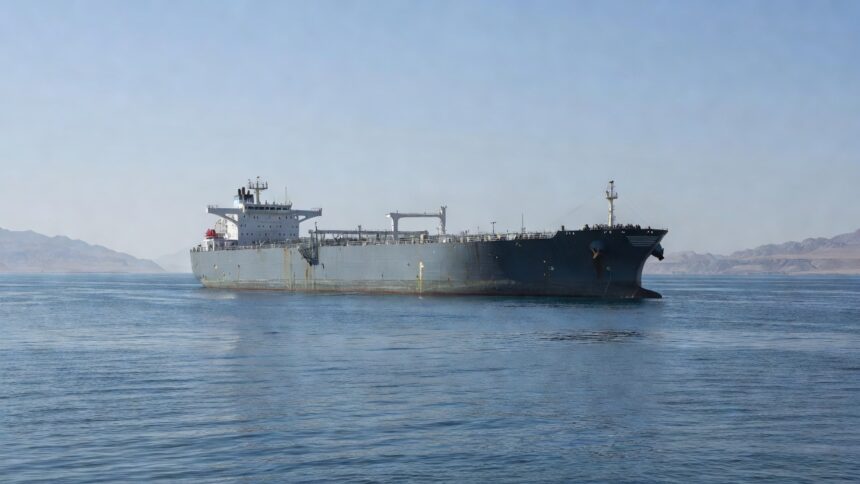
Bahri said in a statement that the Wadiyan tanker came under attack on July 7 while transiting the Strait of Hormuz but sustained no damage that compromised its seaworthiness, with all crew members remaining uninjured and the cargo unaffected. The Saudi national shipping company, which operates the vessel bearing IMO number 9524970, immediately informed relevant authorities and continues to coordinate with them while actively monitoring the crew. The firm reiterated that the safety of personnel, protection of the marine environment and operational integrity of its fleet constitute its foremost priorities in accordance with international maritime standards.
Maritime security sources told Reuters that the Saudi-flagged supertanker was damaged off the coast of Oman in an incident that occurred alongside an attack on the Qatari tanker Al Rekayyat. The Qatari vessel experienced a fire in its engine room after being struck by a suspected drone, prompting the safe evacuation of its crew, according to statements from Qatari officials. Qatar’s foreign ministry summoned Iran’s deputy ambassador to hand over a protest note and declared Tehran fully legally responsible for the aggression and any resulting repercussions.
Saudi Arabia’s Ministry of Foreign Affairs condemned the attacks on both tankers as a blatant violation of international law, UN Security Council Resolution 2817 and the principles of freedom of navigation. The ministry stated that such actions represent a direct threat to the security of maritime traffic and global energy supplies passing through the vital chokepoint. GCC Secretary-General Jasem Albudaiwi described the targeting of the vessels as a flagrant breach that undermines regional stability and maritime safety in the Gulf.
The incidents took place against a backdrop of heightened tensions after Iran warned that all oil tankers in the Strait of Hormuz must follow its approved routes or face a forceful response, a statement aired on Iranian state television and reported by the Associated Press. A Reuters dispatch placed the tanker strikes shortly after fresh U.S. military action against Iranian targets and the revocation of an oil sales license, adding pressure to fragile regional ceasefire efforts. U.S. Energy Information Administration figures show that approximately one-fifth of global oil consumption transits the strait annually, amplifying the potential for significant market disruption from repeated security incidents.
Bahrain’s Foreign Ministry joined the condemnations, warning that the Iranian attacks endangered crews and threatened international maritime security as well as global energy flows, according to its official statement. Similar criticism came from additional Arab and Gulf states, all urging adherence to international norms to safeguard commercial shipping lanes. The diplomatic push highlights persistent concerns over safety for vessels carrying energy exports from the region.
Bahri maintains one of the largest fleets of very large crude carriers dedicated to Saudi oil exports, positioning the company as a central player in the kingdom’s energy logistics network. The firm’s swift public confirmation of the Wadiyan’s status helped contain immediate operational uncertainty following the attack. Industry monitoring continues on how such events may influence routing patterns, insurance costs and overall security protocols for Gulf shipping.