
 ع
ع


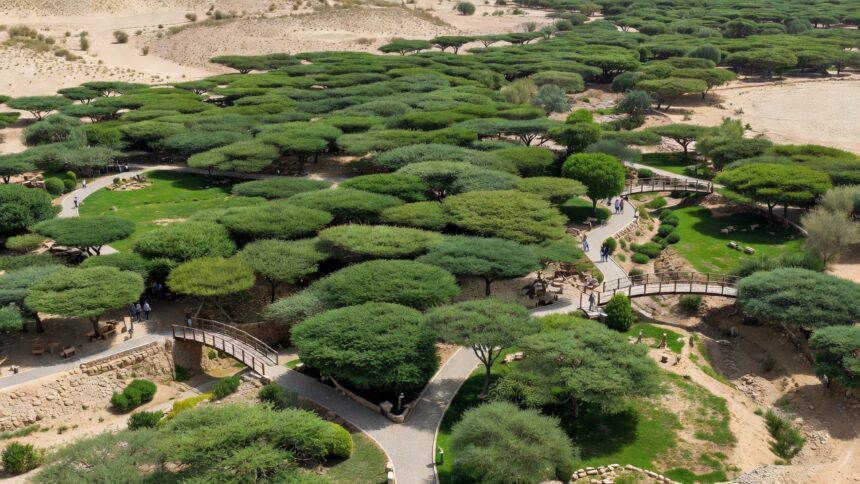
The Saudi Press Agency reported that the Green Riyadh Program successfully planted 15,000 native trees and shrubs at Shayb Ghudwanah. The initiative produced a measurable reduction in local temperatures of approximately 5 degrees Celsius. This cooling effect has transformed the location into a preferred natural summer destination for residents seeking relief from the heat. The program continues to focus on similar valley rehabilitation projects to advance environmental sustainability across the capital.
The rehabilitation at the site created a 5-kilometer natural park incorporating 22 kilometers of dedicated walking tracks. Planners added various amenities including seating areas, pedestrian bridges, children’s play spaces and sports facilities. These elements have made the area more accessible and enjoyable for families and individuals. The comprehensive approach underscores efforts to develop multifunctional green spaces within Riyadh’s urban landscape.
According to the official Vision 2030 platform, the Green Riyadh Project aims to establish 7.5 million trees throughout the city by 2030. This target forms a central element of plans to raise green coverage from 1.5 percent to 9 percent. Such expansion is expected to deliver significant benefits including improved air quality and citywide temperature regulation. The Shayb Ghudwanah development illustrates concrete progress toward these established benchmarks.
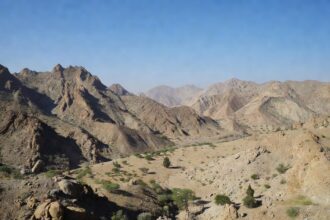
Shayb Ghudwanah functions as a tributary within the larger Wadi Hanifah system that has received renewed focus in recent urban planning. The Green Riyadh Program builds on prior restoration efforts in the wadi to promote biodiversity and expanded recreational use. Selection of native species ensures the new vegetation adapts effectively to local conditions while supporting surrounding ecosystems. This strategy has created resilient green corridors linking various districts of the metropolis.
The effort aligns with the Saudi Green Initiative, which national planning documents position as central to the kingdom’s goal of planting 10 billion trees nationwide with hundreds of millions slated for completion by 2030. Riyadh’s component contributes directly to these objectives by tackling localized climate issues through targeted planting and park development. Project teams anticipate that cumulative effects will produce measurable gains in resident well-being and ecological balance over time.
Community observations have highlighted the positive influence of these green developments on everyday life in the capital. The presence of shaded pathways and cooler microclimates encourages greater outdoor activity during warmer periods. Ongoing monitoring by program teams evaluates the long-term health of the plantings and their continued impact on nearby conditions. Subsequent phases of the Green Riyadh Program plan to apply this model at additional sites to broaden citywide advantages.