
 ع
ع


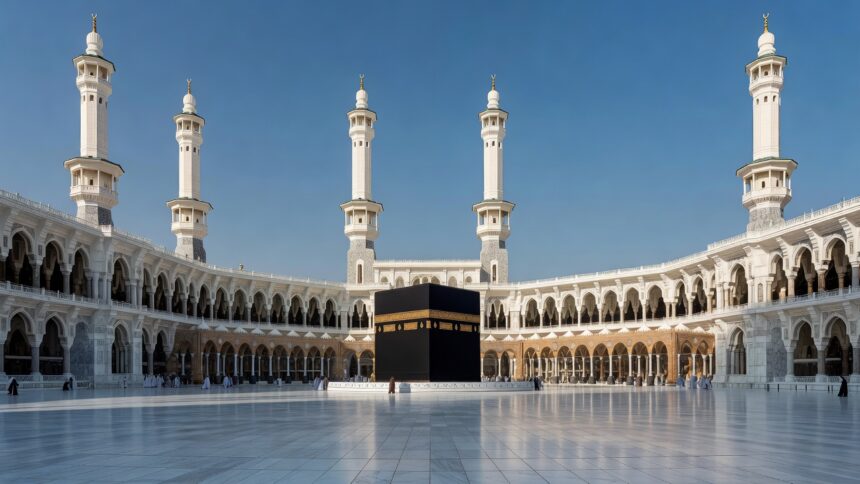
The Ministry of Hajj and Umrah reported that 931,500 visitors entered Saudi Arabia on Umrah visas between Dhul Hijjah 15 of 1447H and the end of Muharram 1448H. Ministry figures show the total reflected a 22.5 percent increase compared with the corresponding period a year earlier. The ministry and the Pilgrim Experience Program issued the statistics jointly on July 18 as authorities track seasonal flows at the start of the new Hijri year.
More than 1.27 million pilgrims arrived from abroad during the same window according to the ministry’s announcement with 75 percent passing through airports and the remaining 25 percent via land and sea ports. Pakistan supplied the largest group at nearly 200,000 followed by Indonesia with approximately 170,000 and Iraq contributing around 130,000. These three countries accounted for a substantial share of early arrivals the ministry’s data indicated.
The ministry said in an announcement that efforts to improve services and infrastructure continue under the Pilgrim Experience Program. Saudi Arabia aims to host 30 million Umrah pilgrims annually by 2030 as part of the Vision 2030 framework the government has outlined to expand religious tourism. A ministry assessment from earlier planning stages noted that post-pandemic recovery had already lifted baseline volumes paving the way for further expansion.
Preparations for the 1448H calendar began in May 2026 when the Ministry of Hajj and Umrah released its operational schedule through the Saudi Press Agency. Visa issuance opened on May 31 corresponding to 14 Dhul Hijjah 1447H and will run until March 9 2027. The structured timeline has allowed coordinated management of incoming groups from the first weeks of the season the ministry stated.
Digital platforms and logistical upgrades have formed a central element of the ministry’s strategy to accommodate rising demand while maintaining high standards of safety and comfort. The latest arrival statistics provide an initial gauge of momentum across major source markets in Asia and the Arab region. The ministry continues to adjust operational resources based on real-time trends for the balance of the season.