
 ع
ع


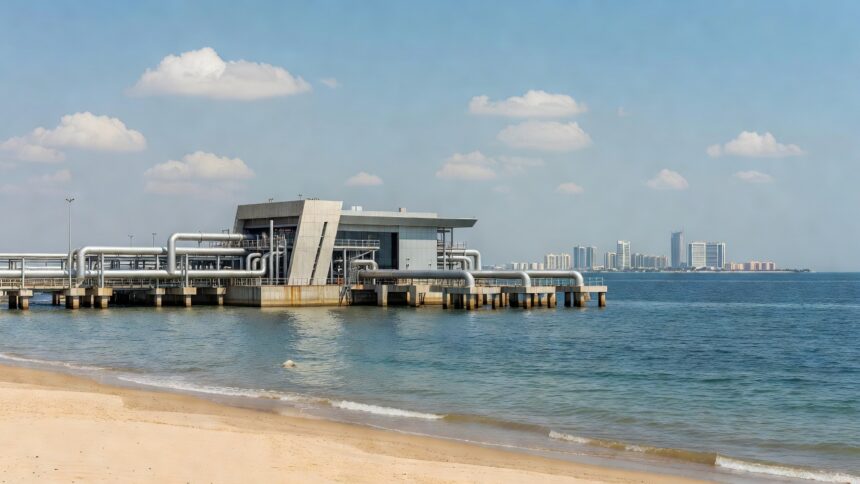
The Saudi Foreign Ministry issued a statement on Saturday that condemned in the strongest terms Iran’s continued attacks on Kuwait, Bahrain and Jordan. The statement renewed the kingdom’s categorical rejection of any targeting of civilian and critical infrastructure, including the strike on a power generation and water desalination plant in Kuwait. Such actions represent violations of international law and the principles of good neighborliness, according to the ministry. The Foreign Ministry affirmed Saudi Arabia’s full support for the three countries in the measures they adopt in response.
The ministry stressed the need for an immediate halt to all forms of military escalation across the region. This step is vital to preserve the security and stability of the region and its peoples, the statement said. The position forms part of the kingdom’s ongoing diplomatic stance against threats to neighboring states, as outlined in previous Foreign Ministry releases.
Critical infrastructure such as power and desalination facilities remains essential to Gulf populations, with the International Desalination Association reporting that GCC member states account for more than half of global desalination capacity. Attacks on these assets carry severe humanitarian and economic risks, a World Bank assessment of regional water security found. Kuwait in particular relies on desalination for the overwhelming majority of its freshwater, making the targeted plant a cornerstone of national supply systems.
The latest statement aligns with a series of earlier Saudi condemnations of similar incidents, according to archived Foreign Ministry documents. Those earlier positions have consistently called for respect for state sovereignty and peaceful relations among neighbors. The current announcement reinforces Saudi Arabia’s emphasis on collective responses through GCC frameworks to counter external threats.
A 2025 report from the Institute for Gulf Affairs documented a rise in infrastructure-related incidents throughout the Middle East, highlighting vulnerabilities in energy and water sectors. Unaddressed actions of this nature could disrupt supply chains that underpin economic activity across the Gulf, the report indicated. Enhanced coordination among GCC states has therefore emerged as a central element in addressing these common challenges, according to the assessment.
The Foreign Ministry’s intervention underscores the importance of active diplomatic engagement to avert wider conflict in the region. By extending explicit backing to Kuwait, Bahrain and Jordan the kingdom highlighted the value of unified positions against interference in domestic affairs. The accompanying call for de-escalation reflects a shared regional interest in sustained stability.