

 ع
ع


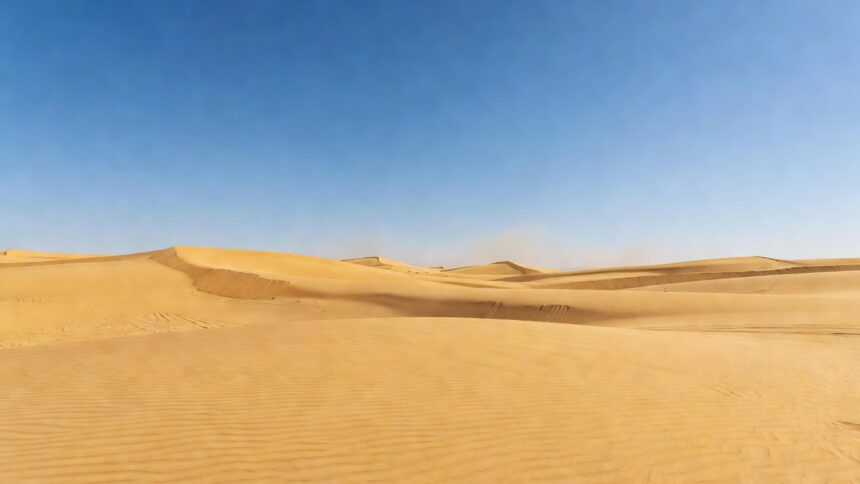
The National Center for Meteorology issued its forecast on August 2 detailing high temperatures for the Eastern Province, Riyadh Region and Makkah Region the following day. Gusty winds capable of raising dust are also expected in those three areas plus Najran, according to the center’s assessment. The warning forms part of routine daily updates that help authorities and residents anticipate summer weather patterns in the kingdom.
The National Center for Meteorology report highlighted a sharp reduction in horizontal visibility to zero or near-zero levels along the Jazan coastal road. Similar drops in visibility will extend across western and southern sections of the country, the center stated. These conditions often accompany strong winds in arid environments during this time of year.
Formation of rain-bearing thunderclouds is anticipated over southern Saudi Arabia, the National Center for Meteorology indicated in its briefing. Comparable cloud development is forecast over both the Red Sea and the Arabian Gulf, potentially bringing localized weather shifts. The center tracks such patterns to provide timely marine and terrestrial alerts.
Wind speeds on the Red Sea will range between 10 and 32 kilometers per hour from a northwesterly direction, according to National Center for Meteorology data. Southwesterly winds between 20 and 50 kilometers per hour are expected over central and southern marine areas, the center added. Wave heights are projected to vary from 0.5 to 2 meters under these conditions.
A seasonal outlook published by the National Center for Meteorology last year noted that August consistently ranks among the hottest months, with inland areas frequently recording highs above 40 degrees Celsius. The center’s historical records show dust events peak during summer transitions when pressure systems drive strong surface winds. Such forecasts help inform public safety measures across affected governorates.
The Saudi General Authority for Statistics places average summer temperatures in the Eastern Province near 42 degrees Celsius, aligning with current patterns. Regional benchmarks from neighboring GCC states indicate comparable dust frequency during peak heat, according to World Meteorological Organization summaries. The National Center for Meteorology continues to monitor developments and update its projections accordingly.