
 ع
ع


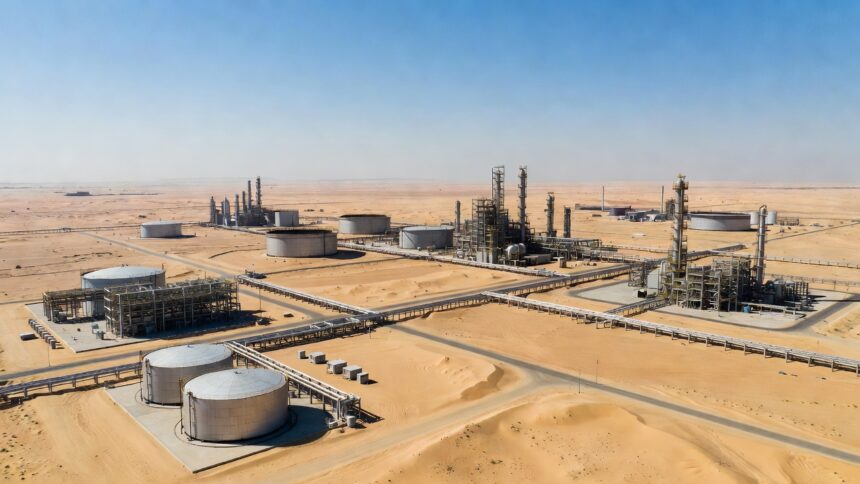
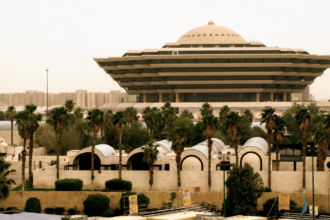
The Saudi Ministry of Defense reported that air defense systems intercepted several drones targeting oil facilities in the Eastern Province and the capital Riyadh on July 27. Maj. Gen. Turki Al-Maliki, the ministry spokesman, said the drones were launched from Iraqi territory in attacks that took place over the past hours. The spokesman stated that the kingdom reserves its legitimate right to respond in self-defense to protect its territory and citizens.
In a separate statement, the Saudi Ministry of Foreign Affairs condemned the attempted attacks and attributed them to Iran-backed militias based in Iraq. The ministry reaffirmed the kingdom’s commitment to safeguarding its security and sovereignty while calling on Iraqi authorities to prevent the use of their territory for launching such aggressions. It added that Saudi Arabia will deter any aggression and respond to those responsible at the right time and place.
This latest incident fits a pattern of drone launches from Iraq by Iran-aligned groups, a 2021 analysis by the Washington Institute for Near East Policy found. The assessment detailed how militias have used Iraqi soil to target Saudi oil sites at ranges of 600 to 700 kilometers in previous years. Similar tactics have been observed multiple times during 2026 amid escalating regional conflict.
Saudi air defenses have downed scores of drones targeting the Eastern Province this year, according to cumulative figures released by the Ministry of Defense and published by Asharq Al-Awsat. One such operation in May 2026 saw the destruction of three drones entering from Iraq, the newspaper reported. Officials have stressed that all interceptions occurred without causing damage or casualties on Saudi soil.
The Eastern Province houses critical oil processing plants that form the backbone of Saudi energy exports, data from the Organization of the Petroleum Exporting Countries shows. In 2019, drone and missile attacks on Abqaiq and Khurais, which U.S. officials and the kingdom blamed on Iran, reduced output by about 5.7 million barrels per day temporarily, a Reuters tally indicated at the time. The ministry has maintained that investigations consistently point to Iranian technology and proxies in such assaults.
The Ministry of Foreign Affairs urged accountability for those enabling these attacks through their territory, according to its statement. It emphasized that failure to address the sources would only encourage further violations of Saudi sovereignty. Iraqi officials have not issued an immediate response to the latest Saudi accusations, local media monitoring showed.