ع



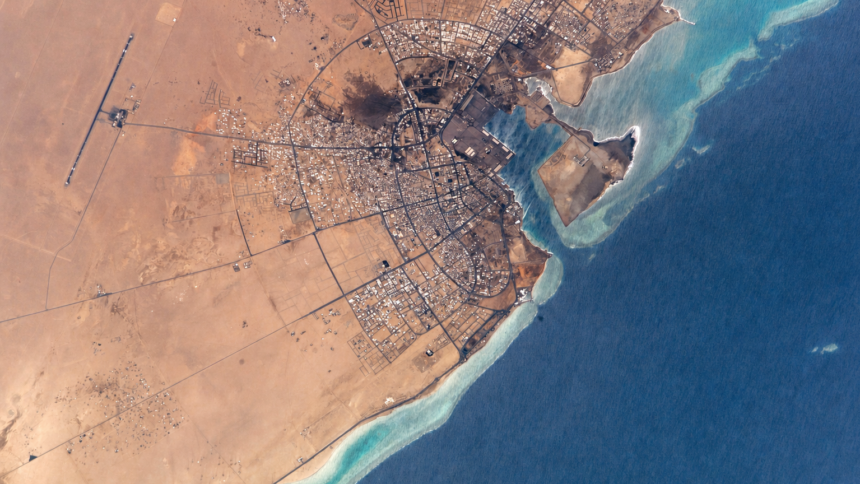
Reuters reported on September 22 that Saudi Arabia restarted operations at the East-West Pipeline, with exports from the Red Sea terminal potentially resuming the same day after a drone attack forced a shutdown on September 11. Three sources briefed on the matter indicated that the pipeline was initially pumping at a reduced rate following the repairs. The development came as the kingdom had been rerouting significant volumes away from the Strait of Hormuz amid regional conflict disruptions. One cargo bound for China was scheduled to load at Yanbu later that Tuesday according to the sources.
The East-West Pipeline had been carrying around 4 million barrels per day to Yanbu prior to the attack, equivalent to roughly 4 percent of global supply, a Reuters assessment found. Drone strikes damaged three pumping stations along the line, according to satellite imagery reviewed by industry analysts and cited in the Reuters dispatch. Saudi Arabia blamed the September attack on Iraqi militias, the news agency added in its coverage. Full restoration of capacity could require six to eight weeks, a security source told Reuters.
Brent crude futures dropped by more than $2 a barrel to their lowest level since September 8 following confirmation of the pipeline restart, Reuters market reporting showed. The price decline reflected expectations of increased supply availability from the alternative export route. Traders shifted tankers toward Egypt’s Mediterranean ports for potential ship-to-ship transfers in anticipation of resumed Yanbu loadings, two trading sources informed the agency. The resumption eased some pressure on buyers who had faced allocation cuts under term contracts.
The 1,200-kilometer pipeline system links eastern oil fields to the Red Sea coast and maintains a nameplate capacity of 7 million barrels per day, according to industry assessments referenced by Reuters. During the recent conflict that curtailed tanker traffic through the Strait of Hormuz, the line had served as a critical bypass for Saudi exports. Aramco refineries on the western coast resumed receiving crude through the pipeline once flows restarted, one source told the news service. Overseas shipments from Yanbu had been halted for nearly two weeks prior to the repairs.
Earlier repairs after an April 2026 attack on a single pumping station allowed Saudi Arabia to restore full 7 million barrel per day capacity within days, the Saudi Energy Ministry stated at the time through the Saudi Press Agency. That incident had temporarily reduced throughput by 700,000 barrels per day, according to official figures. The current repairs follow a similar pattern but involve more extensive damage across multiple stations, a separate oil industry source noted to Reuters. Officials have not yet confirmed when pumping rates will return to pre-attack levels.
Saudi Aramco did not immediately respond to requests for comment on the resumption timeline or current flow rates, Reuters reported. The kingdom had increased exports through the Gulf terminals to a war-time high of more than 5 million barrels per day in September while the pipeline was offline, according to shipping data compiled by market observers. Industry participants continue to monitor how volumes will be split between the two routes once the East-West system reaches higher utilization, traders told the agency. The pipeline also supplies domestic refineries on the Red Sea coast in addition to supporting export loadings.