ع



Al-Khuraiji made the remarks during a dedicated session on securing strategic chokepoints and rethinking maritime security at the 12th edition of the Mediterranean Dialogues conference organised by Italy’s Ministry of Foreign Affairs and International Cooperation along with the Italian Institute for International Political Studies. He told participants that recent developments in maritime corridors illustrate the deep links between maritime security, regional stability and global economic prosperity. The deputy minister noted that the protection of key waterways ranging from the Red Sea and Bab al-Mandab Strait to the Strait of Hormuz represents a matter of international concern that demands coordinated responses.
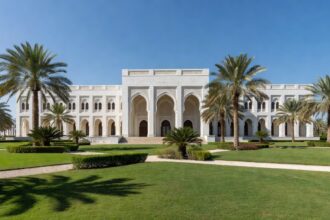
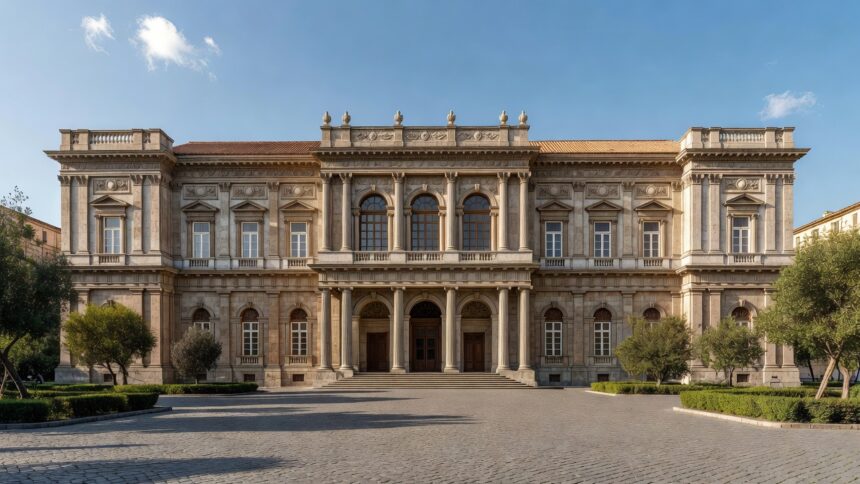
Protecting these strategic maritime corridors constitutes a fundamental priority requiring effective regional and international cooperation, Al-Khuraiji continued in the Naples session held at the Royal Palace. His intervention occurred as the conference, running from November 19 to 21, convenes officials and experts to address security challenges across the wider Mediterranean region. US Energy Information Administration data places average oil flows through the Strait of Hormuz at 20 million barrels per day in 2024, equivalent to about one-fifth of global petroleum liquids consumption.
A World Bank assessment of Red Sea disruptions found that attacks starting in late 2023 halved traffic volumes through the Bab el-Mandab Strait while doubling navigation via the Cape of Good Hope route. Those detours have extended shipping distances by as much as 53 percent, elevating freight rates, insurance premiums and carbon emissions from increased fuel consumption, the assessment showed. Al-Khuraiji emphasised that safeguarding these passages, which carry a substantial share of world trade, necessitates sustained multilateral partnerships.
The Mediterranean Dialogues gathering this week includes discussions on Euro-Mediterranean security frameworks, Middle East peace prospects and energy dynamics, with Italian Foreign Minister Antonio Tajani delivering opening remarks alongside ISPI President Mariangela Zappia. Saudi Arabia’s participation reflects the Kingdom’s engagement in forums focused on shared maritime vulnerabilities and stability measures. Conference organisers have highlighted the event’s role in exploring cooperative approaches amid ongoing regional tensions and supply-chain pressures.
In recent years the Kingdom has expanded its defensive capabilities and export infrastructure, including utilisation of the East-West pipeline to redirect crude to Red Sea terminals when needed, according to energy industry reports. Al-Khuraiji’s statement aligns with Saudi policy that pairs diplomatic initiatives with adherence to international law and respect for sovereignty. EIA figures indicate that collective oil shipments through Middle East chokepoints rose 19 percent in the third quarter of 2026 despite earlier constraints linked to regional conflicts.
The session addressed by the deputy foreign minister forms part of efforts to reassess maritime security strategies as asymmetric threats and geopolitical shifts continue to test traditional transit routes. Participants examined potential long-term changes to the strategic importance of these chokepoints driven by evolving trade patterns and technological developments. Italian authorities reported that the conference attracted high-level delegations from across Europe, the Gulf and international organisations to advance dialogue on these issues.