ع



The Saudi Ministry of Foreign Affairs issued a statement rejecting allegations from the Houthi militia’s military spokesperson that accused the Kingdom of imposing a blockade on the Yemeni people and prohibiting maritime navigation. According to the ministry, more than 300 commercial vessels entered the northern Yemeni ports of Hodeidah, Salif and Ras Issa in the first half of 2026 carrying foodstuffs, goods, fuel and construction materials in compliance with Security Council Resolution 2216. The statement noted that measures remain in place to prevent the smuggling of weapons and ammunition that the Houthis seek to import in violation of the arms embargo.
In its July 20 statement, the ministry placed responsibility for prolonging the Yemen conflict and deepening the humanitarian crisis squarely on the Iran-backed Houthi militia, which it said has dragged the country into regional disputes. The ministry detailed how the group targeted oil export terminals in southern Yemen starting in October 2022, disrupting government revenues that constitute nearly 60 percent of its income and affecting civil servant salaries. It further accused the Houthis of seizing four Yemenia Airlines planes at Sanaa airport after they transported pilgrims from Jeddah and of rejecting multiple initiatives to resume flights from the airport, including a recent Jordanian proposal.
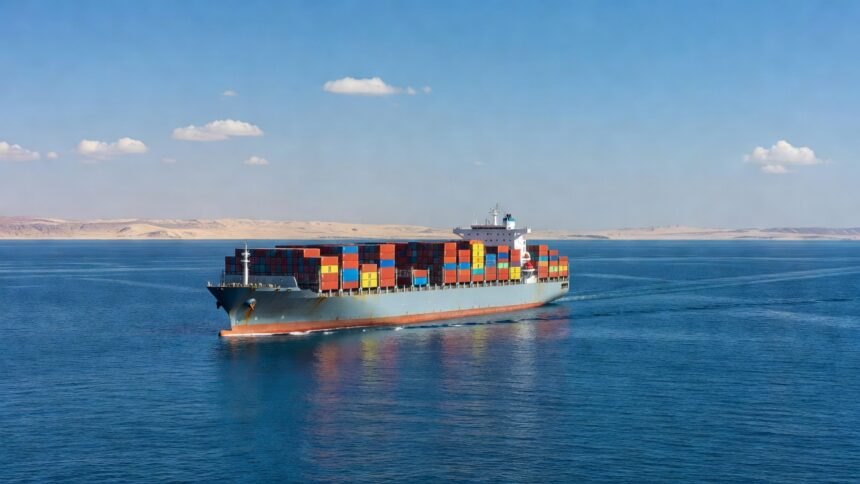
The foreign ministry’s assessment found that Houthi attacks on commercial vessels in the Red Sea have compounded the suffering of Yemeni civilians, especially in areas under the group’s control, by exacerbating economic problems. A July 2026 report from maritime data firm Kpler showed commodity transits through the Bab el-Mandeb reduced from pre-escalation averages, with crude volumes declining and rerouting around the Cape of Good Hope becoming standard practice for many operators. Industry analyses placed the capacity impact at between 1.3 million and 1.8 million TEU of global container fleet space absorbed by the longer voyages.
Saudi Arabia called on the international community to meet its obligations by implementing key UN Security Council resolutions, particularly Resolution 2216 on Yemen and Resolution 2722 on the rights and freedom of navigation in the Red Sea. The ministry stressed that failure to address these threats could encourage further escalation and undermine regional stability as well as the principle of free maritime passage that underpins world trade. A September 2026 update from BigOceanData indicated an 18 percent drop in observed transits through the strait from July to August after the Houthis announced measures against Saudi-linked shipping.
The statement affirmed that the Kingdom will take all necessary measures to protect its ships in line with international law and the 1982 United Nations Convention on the Law of the Sea. It emphasised Saudi Arabia’s continued support for the Yemeni people and their legitimate government as part of efforts to achieve peace and end the crisis. The ministry’s position aligns with earlier condemnations, including a September 2026 cabinet review that again denounced Houthi strikes on civilian areas in Saudi Arabia and persistent threats to Red Sea shipping.