
 ع
ع


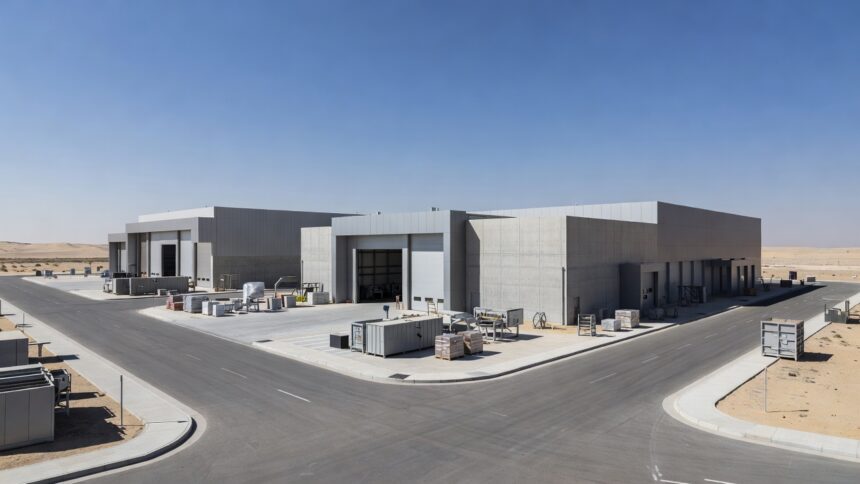
The Ministry of Industry and Mineral Resources reported that the 188 licenses issued across March 2026 cover a range of manufacturing activities throughout the kingdom. These approvals correspond to planned capital outlays of more than 1.81 billion Saudi riyals while forecasting the addition of over 1,721 job opportunities. In tandem 78 factories commenced operations during the month according to the same figures. The ministry’s data further situates these outcomes within its regular monthly tracking of industrial expansion.
A Business Today assessment found that the licenses form part of a coordinated push to localize production in high-value segments and to mitigate vulnerabilities exposed by international supply chain pressures. The new approvals are positioned to reinforce local content requirements and to accelerate technology uptake in targeted industries. This activity continues a pattern of regulatory facilitation that has drawn investor interest from both domestic and foreign entities.
Ministry figures from prior periods placed the October 2025 total at 95 new licenses and the June 2025 issuance at 83 demonstrating an accelerating pace into the first quarter of 2026. The Saudi Press Agency disseminated the March statistics as part of its coverage of economic performance indicators. Such sequential increases align with longer-term plans to broaden the non-oil component of national output.
A regional industry assessment found that sustained license growth supports wider goals of elevating manufacturing’s share of gross domestic product and of generating skilled employment across administrative regions. The addition of operational factories in March contributed measurable capacity that complements existing facilities in logistics and materials sectors. Comparable GCC data from similar regulatory bodies show Saudi Arabia maintaining one of the higher monthly approval rates in the bloc.
Further details from the ministry indicate that each license undergoes review for environmental compliance and technical feasibility before final approval. The 78 factories that entered production are expected to generate immediate value added through local sourcing and export readiness. Cumulative industrial statistics maintained by the authority reflect steady gains in both the number of licensed entities and their projected economic footprint.
The ministry’s monthly compilations also record the geographic distribution of new projects with concentrations in industrial cities and emerging economic zones. These figures derive from formal applications processed through its digital licensing platform. Updated data for subsequent months will provide additional perspective on the trajectory established in March.