
 ع
ع


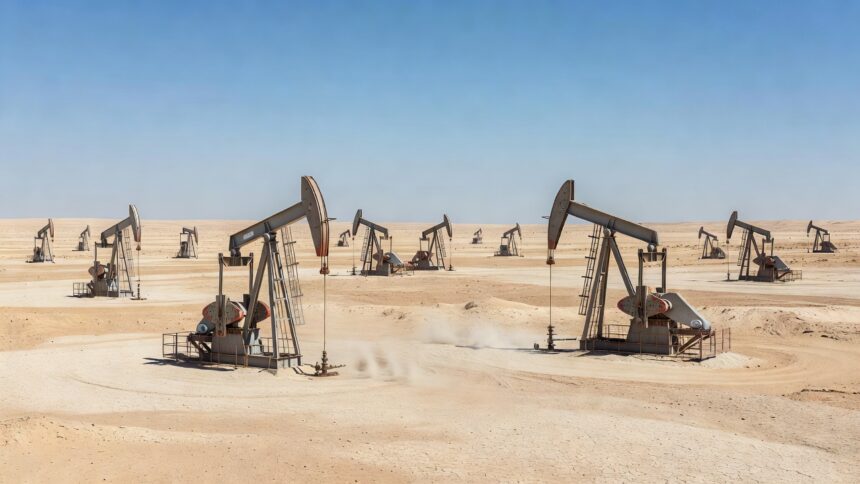
OPEC+ kept its oil output policy unchanged for October, the producer group said in a statement following a meeting on Sunday. The decision comes after six consecutive monthly increases that wrapped up the unwinding of earlier voluntary cuts. Core participants will now concentrate on a wider review of capacity that will shape output targets for 2027.
Ministers from Saudi Arabia, Russia, Iraq, Kuwait, Algeria, Kazakhstan and Oman joined the video conference. The session took place while the ongoing Iran war continues to interrupt oil shipments through the Strait of Hormuz. These interruptions have curtailed the group’s sway over prices and global market balances, multiple outlets reported.
Oil prices climbed to $126 a barrel in late April after strikes on Iran and subsequent retaliation, according to market accounts compiled by The National. Even with higher quotas on paper, actual output by many members stays well below targets because of the conflict. OPEC+ maintains an additional layer of cuts affecting most of its 21 members through the end of 2026.
The group raised production targets by 188,000 barrels per day for September, completing the reversal of a 1.65 million barrels per day cut originally set in 2023. No further monthly adjustment will occur in October while longer-term questions take precedence. Sources told Reuters that this pause had been widely expected once the earlier rollback finished.
A forthcoming audit of each member’s production capacity will establish fresh baselines for the next round of quotas. This process, likely to unfold later in 2026, carries greater weight than routine monthly changes, one industry assessment noted. Accurate capacity data is required before the alliance can allocate any additional supply.
The participating countries reaffirmed their collective commitment to ensuring full compliance with the Declaration of Cooperation, the statement said. The seven members plan to meet again on October 4 to assess market conditions. OPEC+ continues to navigate output policy in an environment shaped by both its voluntary restraints and external supply shocks.