
 ع



The Council of Ministers asserted during its session in Jeddah that the security of Saudi Arabia and the safety of its territory and assets form a firm and inviolable principle according to a briefing by Minister of Media Salman Al-Dossary to the Saudi Press Agency. The cabinet strongly condemned the heinous and deliberate attacks by the Houthi militia on civilians and civilian infrastructure while stressing that such actions threaten regional stability. It reiterated the Kingdom’s legitimate right to defend itself protect its sovereignty citizens expatriates and vital interests in line with the United Nations Charter and international law.
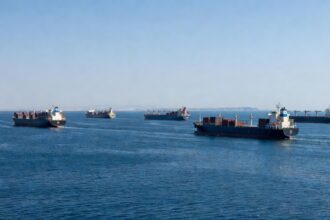
This position follows recent Houthi assaults on cities including Abha Khamis Mushait Jazan and Najran as well as continued targeting of commercial vessels in the Red Sea the minister indicated in the statement. The council called for the highest levels of medical care for those injured in the attacks and expressed hopes for their swift recovery alongside continued security for the Kingdom. The affirmation aligns with a series of similar positions taken by Saudi officials in recent weeks amid escalating regional tensions.
Crown Prince Mohammed bin Salman opened the meeting by briefing participants on a telephone conversation with Pakistan Prime Minister Muhammad Shehbaz Sharif and his discussions with US Central Command chief Admiral Brad Cooper on the latest regional developments the Saudi Press Agency reported. The cabinet reviewed broader regional and international issues with a focus on Saudi efforts to promote peace through dialogue and multilateral cooperation. Such engagements reflect ongoing coordination with international partners to tackle shared challenges including threats to maritime security and global energy flows.
The cabinet’s stance echoes remarks by Foreign Minister Prince Faisal bin Farhan at the BRICS Summit in New Delhi last week where he declared that Saudi Arabia’s security territorial integrity and resources remain non-negotiable a position summarized in reporting by multiple regional outlets. Prince Faisal had similarly told a joint news conference in Moscow earlier this month that the Kingdom would employ all means to shield its interests from Houthi aggression without closing the door to diplomacy. These statements build on earlier communications to the United Nations in which Saudi Arabia rejected baseless allegations while reserving the right to take necessary measures under Article 51 of the UN Charter.
Obstruction of navigation in key waterways such as the Strait of Hormuz has been cited in Saudi diplomatic correspondence as a direct threat to the Kingdom’s interests that also undermines global food security and economic stability particularly for developing nations according to an April letter to the UN Security Council. The latest condemnation comes days after a drone strike launched from Iraq damaged the East-West Pipeline in Riyadh and Madinah regions as detailed in a statement from the Saudi Ministry of Foreign Affairs. Saudi officials have granted Iraq time to address such cross-border threats while maintaining the right to respond as needed to protect facilities and residents.
The Council of Ministers additionally approved an agreement with Spain on mutual visa exemptions for holders of diplomatic special and service passports during the same session the Qatar News Agency reported from the official briefing. This step forms part of routine governmental business but occurred against the backdrop of heightened focus on security matters. Saudi Arabia has consistently positioned itself as a proponent of de-escalation and stability across the region through cooperative frameworks with Gulf neighbors and the wider international community.