ع



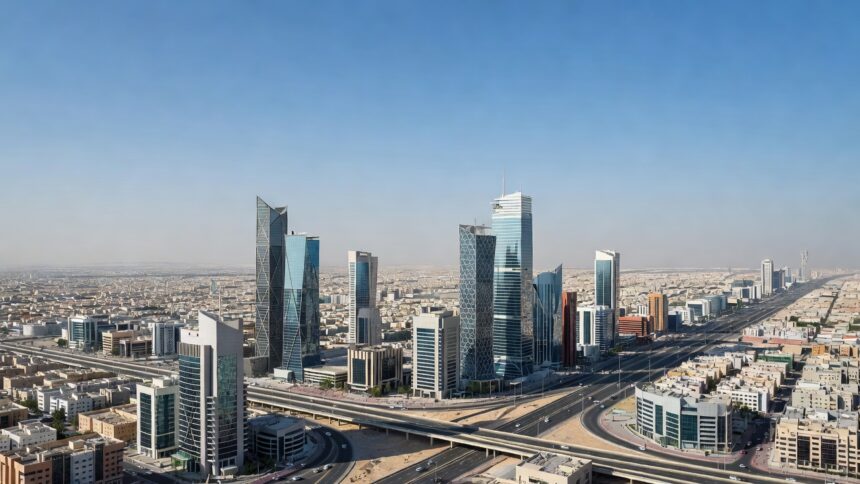
The Saudi-led coalition announced that its air defense forces intercepted and destroyed a ballistic missile launched by Yemen’s Houthis toward Riyadh early on September 19. Coalition spokesperson Major General Turki Al-Maliki stated that the projectile was neutralized before it could reach the capital, which is home to more than eight million people. Al-Maliki added that Houthi attempts to strike civilians and civilian infrastructure in Bisha, Taif, Farasan and Yanbu were similarly foiled by Saudi systems that same day. The spokesperson described the actions as deliberate targeting of non-military sites.
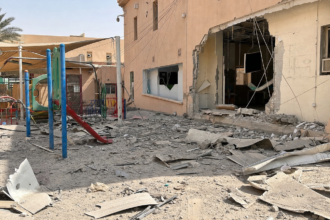
Residents in Riyadh reported hearing explosions and observing plumes of smoke near the airport area following the alert. Saudi authorities confirmed that the interception produced no casualties or material damage across the affected zones. This marked the first air raid siren activation in the capital since hostilities with the Houthis intensified in July, according to accounts compiled by Al Jazeera.
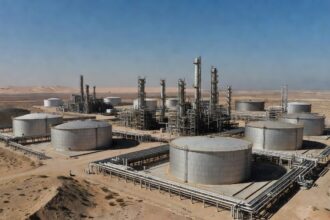
Houthi military spokesman Yahya Saree issued a statement claiming that Yemeni forces had conducted successful operations using a large number of ballistic and cruise missiles along with drones against sensitive targets in Riyadh and an Aramco facility in Yanbu. Saree framed the launches as retaliation for what the group termed Saudi criminal aggression against Sanaa. The Houthi claims have not been independently corroborated by Saudi officials or third-party observers.
The episode forms part of an escalation that commenced in July 2026 after disputes over an Iranian flight attempting to land in Sanaa, Reuters reported. That exchange involved Houthi missile strikes on Saudi airports and subsequent Saudi airstrikes, ending a de facto truce observed since March 2022. Houthi leader Abdul Malik al-Houthi had warned during a July address that his group stood prepared for full-scale confrontation if Saudi moves continued.
A statement released by the Saudi-led coalition in December 2021 placed the cumulative total of Houthi ballistic missiles fired at the kingdom since 2015 at 430, alongside 851 armed drones. Those figures, which the coalition attributed to Iranian backing, resulted in 59 Saudi civilian deaths according to the same tally. Saudi interceptors have neutralized the majority of incoming threats in subsequent years, a pattern that ACLED data analysis from 2015 through 2022 showed evolving toward greater use of precision systems.
Al-Maliki affirmed in his September 19 statement that the coalition retained the right to undertake appropriate responses under international humanitarian law to deter further Houthi operations. The spokesperson emphasized that such attacks underscored the group’s persistent disregard for civilian safety. No additional details on prospective military adjustments were disclosed in the immediate announcement.