ع



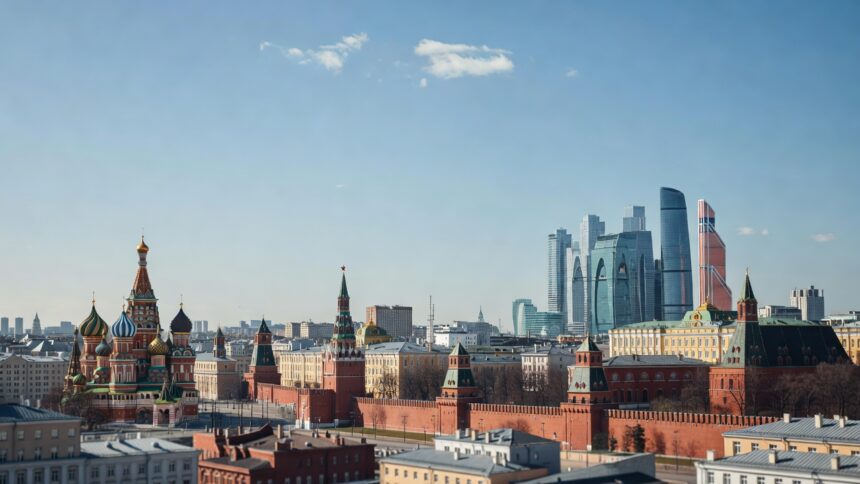
Bahrain Foreign Minister Abdullatif bin Rashid Al Zayani conveyed the GCC position to Russian Foreign Minister Sergey Lavrov at the ninth Joint Ministerial Meeting of the Strategic Dialogue between the GCC and the Russian Federation. Al Zayani noted that the council appreciated Russia’s calls for de-escalation in the region while stressing that the security of GCC states forms a cornerstone of international security. He added that stability cannot be achieved through escalation, threats or interference in the internal affairs of other countries.
Al Zayani expressed hope that Russia would use its relations with Iran to ensure compliance with relevant UN resolutions, according to Al Arabiya English. The GCC countries also condemned disruptions to maritime navigation through the Strait of Hormuz and Bab al-Mandeb, the minister said during the Moscow gathering. The meeting provided a platform for the six GCC states to coordinate positions on pressing security files with their Russian counterparts.
The call follows the International Atomic Energy Agency board of governors’ referral of Iran to the UN Security Council in September over nuclear non-compliance, a step that Russia and China opposed. The New York Times reported that Moscow and Beijing vetoed a related U.S. measure to renew UN monitoring of Iranian sanctions compliance. Gulf states have viewed these developments as increasing risks to regional stability given Iran’s proximity and history of tensions.
Russia maintains significant economic and diplomatic ties with Iran, including in energy and defense sectors, even as it has publicly supported diplomatic resolutions to the nuclear dispute. A UN News summary of earlier council proceedings showed Russia abstaining from certain Iran-critical votes while pushing for dialogue among all parties. The GCC approach reflects a pattern of engaging permanent Security Council members to address proliferation concerns through established bilateral channels.
The strategic dialogue session also touched on broader economic cooperation and energy market stability between the GCC and Russia, building on outcomes from prior meetings. GCC official records from earlier rounds have highlighted joint efforts to mitigate global supply disruptions and explore investment opportunities. Al Zayani’s intervention placed the nuclear file at the forefront of discussions on October 18.
Earlier this year the UN Security Council adopted a Bahrain-led resolution condemning Iranian attacks on multiple Gulf states and Jordan, passing with 13 votes in favor and abstentions from Russia and China. UN News detailed how that text determined the actions breached international law and posed a threat to peace and security. The latest ministerial appeal continues the GCC’s diplomatic campaign to align major powers behind enforcement of UN obligations on Tehran.