ع



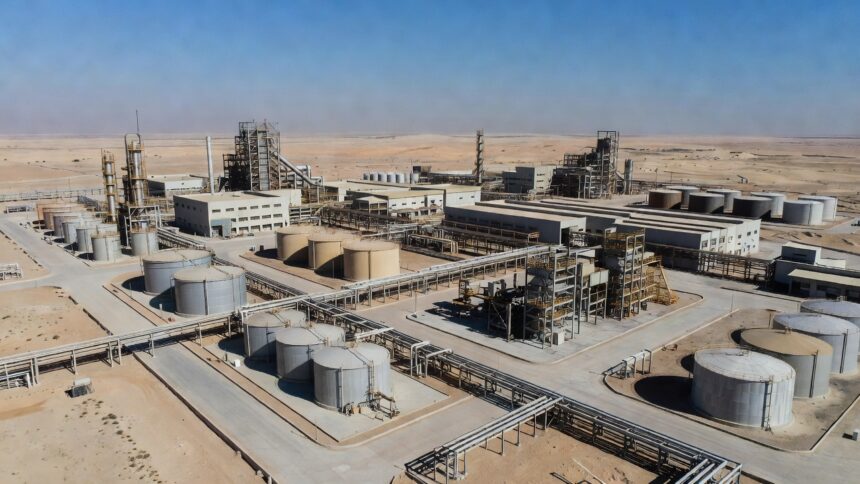
The Statistical Centre for the Cooperation Council for the Arab States of the Gulf released figures on October 18, 2026 showing that industrial investments across the six member states totaled approximately $426 billion as of the end of July 2026. Its report on the Gulf industrial sector placed the number of factories at about 22,000 while employment in the sector exceeded 1.7 million workers. Manufacturing industries contributed roughly 13 percent of the GCC’s gross domestic product in 2025 according to the centre’s assessment.
According to the GCC-Stat report around 40 percent of those industrial investments were concentrated in a handful of key sectors that included refined petroleum products, aluminum, gas-based fuels, iron and steel, and plastics. These industries provide a foundation for manufacturing and intermediate production while supporting integration of value chains throughout the region. The data highlighted variations in the scale of industrial activity among member states both in total investment and in the number of operating factories.
The centre’s statistics indicated that industrial products accounted for about 69 percent of the GCC’s overall exports during the period covered. Leading export items encompassed petroleum gases and hydrocarbons, petroleum oils, motor vehicles, organic compounds, aluminum, ships and boats as well as machinery and electrical equipment. Such export dominance reflects the depth of the bloc’s industrial capacity beyond raw commodities.
China supplied approximately 20 percent of the GCC’s total imports making it the largest single source for the bloc, the GCC-Stat data showed. Primary imported goods in that flow included equipment and machinery, automobiles, pharmaceutical products, iron and steel, and plastics. The import profile underscores the region’s continued reliance on external suppliers for capital and intermediate goods even as local production expands.
Further analysis in the centre’s report pointed to the breadth and diversity of the GCC industrial base while noting persistent differences in activity levels from one member state to another. The release draws on the latest available official statistics and arrives as governments across the bloc continue initiatives to strengthen non-oil economic components. Comparable data compilations by the same centre in prior years have similarly tracked steady growth in factory numbers and employment across the region.